The overnight flight from the United States to Europe is where I feel the value of business class most clearly. I want dinner, somewhere to lie down, some sleep and breakfast before arrival. When that rhythm works, the benefit follows me off the aircraft. I have already spent time choosing a hotel and imagining the trip; I want to be able to enjoy the beginning of it.
That is a more useful way for me to consider the price of an upgrade than isolating the hours in the seat. The flight influences the first morning, the onward journey and how much I want to do after reaching the hotel. A premium cabin does not guarantee a good arrival, but the ability to rest changes the experience enough that I include it in the same decision as the stay.
The first day can be especially valuable on a short visit. It might contain the only leisurely afternoon before a busy schedule, or simply the chance to settle into a place I have been looking forward to. I do not need to turn that time into a list of achievements. I want it to feel available to me.
How much sleep do you really get flying to Europe?
A scheduled overnight journey contains more than sleeping time. There is settling in, takeoff, meal service, preparation for landing and whatever time I choose to spend awake. The bed is useful because it gives me an option within that sequence; it does not turn the whole duration printed on the ticket into a night's sleep.
I enjoy the meals as part of travelling. Dinner followed by breakfast helps give the crossing a rhythm I like. But those meals also occupy time, which means the value of a particular schedule cannot be separated from how I intend to spend the flight. A shorter crossing asks for different priorities from a longer one, even if both offer an attractive seat.
This is why I would compare the timing before making a judgment based on cabin photographs. A comfortable bed on a flight that leaves at an awkward time for me may be less helpful than its appearance suggests. Likewise, an itinerary with a connection adds a separate period in transit around the overnight segment. The useful unit is the journey from departure to arrival, including the parts outside the aircraft.
My experience with Delta One and United Polaris has made the physical seat important to that comparison. Delta's current product information describes flat beds while noting that configurations vary by aircraft. I discuss the individual products in my Delta One and Polaris comparison; here, the point is what the chosen seat allows me to do with the night. Delta One seat information
Planning your first morning after landing in Europe
An early arrival can leave much of the day ahead, which is one reason I like these flights. It also creates a practical question: where will I be during those hours? Reaching an airport early does not mean a hotel room is ready. A good arrival plan accounts for the period between those two events.
I would discuss the expected arrival time with the hotel before the trip. The useful answer is specific to that booking: what can happen if I arrive before check-in, what is actually confirmed, and what remains dependent on the day's availability? That lets me plan the morning around a realistic arrangement instead of building it around an assumed early room.
There is a genuine trade-off here. A later arrival can reduce the gap before check-in but leave less of the destination day. An earlier one can create more time, provided there is a comfortable way to use it. Neither schedule wins automatically. I would choose according to the location of the hotel, the onward journey and what I want that first day to be.
The same thinking applies to an airport lounge. I have loved the JFK Delta One Lounge, and time there can be a positive part of a journey. Still, an itinerary should not become unnecessarily complicated simply because one element is excellent. If the purpose of an upgrade is to arrive in better shape, the schedule needs to be judged by that purpose as well.
The airport is only one stage of a mountain trip
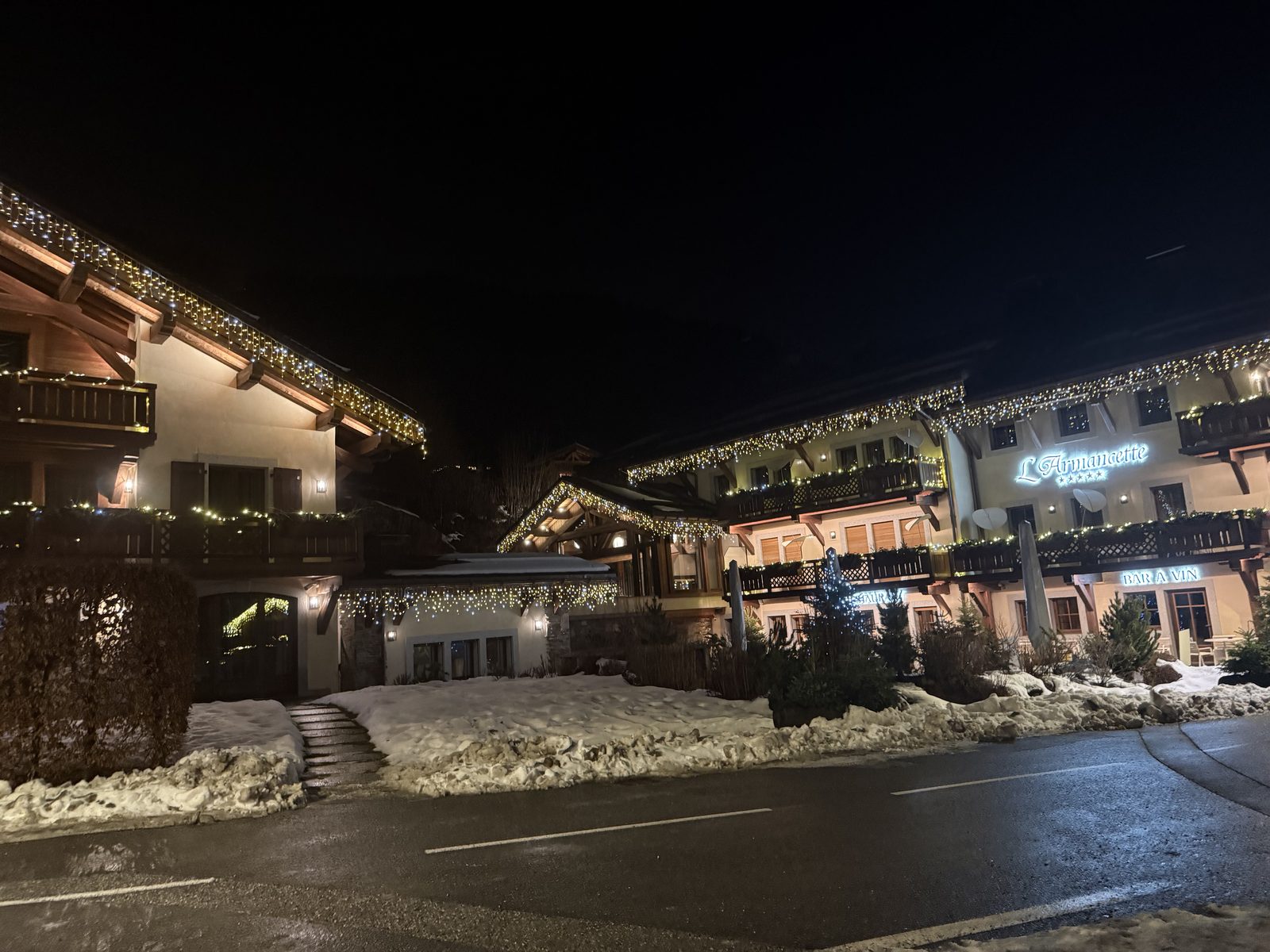
My visits through Geneva to Armancette make the connection between the flight and the rest of the trip particularly clear. Landing is followed by the arrangements that get me to the hotel and into the mountains. A rental car, the onward journey and plans at the property all belong to the same travel day. Geneva to the Alps
For that kind of trip, I would leave room between arrival and anything that requires me to be somewhere at a precise time. Collecting a car and reaching a mountain hotel are part of the experience, rather than invisible space between the flight and the holiday. A beautifully chosen cabin cannot compensate for an itinerary that leaves no flexibility once I land.
I also want to assess how I actually feel after the flight before driving or taking on an ambitious day. Sleeping on board is helpful in my experience; the existence of a flat bed is not a substitute for that judgment. The plan should allow a change if I arrive more tired than expected.
That flexibility has value even when it goes unused. It means the morning does not depend on every part of the journey running exactly as imagined. A transfer, a later start or a quieter day can preserve the quality of the stay. I would rather have room to make that choice than treat the first day's original schedule as something I must complete.
When business class to Europe is worth the money
At Armancette, some of the things I enjoy most are ordinary parts of being there: the bakery, the pool and shared wellness facilities, and the setting around the hotel. They are among the reasons I return. Being ready to appreciate those things is a meaningful result from the flight, even if I do very little on the afternoon I arrive. My Armancette review
It is easy to think of an upgrade as buying the energy to do more. For me, its value can also be the ability to enjoy doing less. Sitting down to eat, settling into the room or spending unhurried time at the property can be exactly what I wanted from an expensive hotel. Those hours should not disappear from the calculation just because they do not produce another reservation or excursion.
That also keeps my expectations of the flight realistic. I am not buying a guaranteed number of useful hours or a promise that travel will leave me unaffected. I am choosing an arrangement that has repeatedly made the transition easier for me, and then giving the rest of the day a reasonable shape.
Judge the arrival you are trying to buy
When comparing an upgrade, I would begin with what comes after landing. A short stay with a meaningful first afternoon creates a different reason to prioritize rest from a trip with a deliberately empty arrival day. The onward journey, room access and plans with other people all influence how much the difference matters.
Then I would look back through the itinerary: the scheduled seat, departure time, connections and the part of the night I realistically want to spend resting. That makes the decision about a complete trip rather than a hierarchy of cabin names. The premium option earns its place when those pieces work together.
The outcome I value is fairly simple. I want to arrive fed, reasonably rested and ready to be where I am. When a business-class seat helps me do that, I feel its value well beyond the airport. The hotel gets a better first day, and so do I.
Written from Robert’s own flights. Cabin configurations, fares and lounge eligibility can change; confirm the details for your booking. Planning a trip like this? Tell us about it.