Home · Destinations · Costa Rica
Costa Rica · Mountain retreat
Costa Rica: A Mountain Retreat
My Costa Rica account centres on Hacienda AltaGracia, an inland mountain retreat whose beauty and accommodation did not overcome my frustration with communication and extra charges. It is a useful example of why a remote destination needs to be judged as a whole arrangement. The journey, the room, the activities and the people organising them become closely connected when much of the holiday is concentrated on one property.
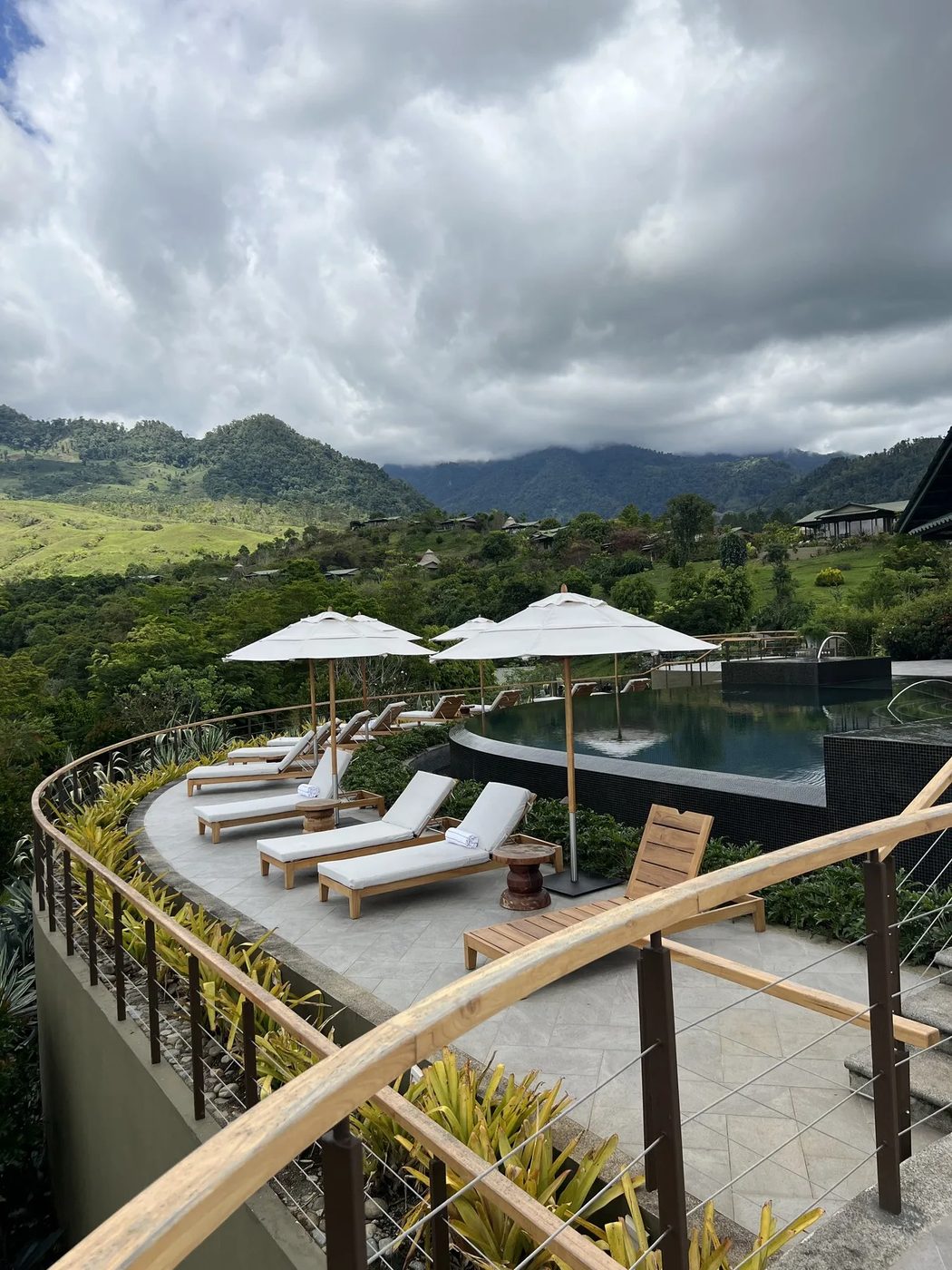
An inland retreat
This is inland Costa Rica, not a beach base
AltaGracia is in the Pérez Zeledón area, near the regional centre of San Isidro de El General. The official South Pacific regional guide includes Pérez Zeledón alongside Buenos Aires, Coto Brus and Corredores, and identifies San Isidro as an access city to the country's south. The regional label should not obscure the hotel's inland setting. This is a landscape-led retreat, not a bedroom-to-beach holiday, and the distinction begins before comparing pools or villas.
The same regional account places San Isidro at 702 metres above sea level and identifies Cerro Chirripó, at 3,824 metres, as Costa Rica's highest mountain. Those figures show why a destination described broadly as southern Costa Rica can contain very different journeys and purposes. A regional service centre, a high-mountain objective and a secluded hotel are not interchangeable bases. For AltaGracia, the meaningful question is whether the inland retreat itself is the destination. Choosing a mountain landscape does not require turning every day into an excursion, but it does require distinguishing the experience of the property from the much larger region around it.
The appeal is the sense of being away. I found the surroundings beautiful and the accommodation impressive. A private place in that landscape can be a substantial part of the reason to travel, rather than somewhere to return after a city itinerary. It also makes the property more consequential. Meals, treatments and the practical help needed to organise the day take place within a much narrower circle of choices than they would in a neighbourhood full of independent alternatives.
Arrival makes that concentration tangible. The hotel's current access page gives a road journey of four to five hours from San José, depending on route and time of day. It also describes approximately 35-minute scheduled shared charters from Juan Santamaría International Airport to the property's airstrip. Those are meaningfully different ways to begin the stay: one commits a substantial part of a day to the road, while the other connects the international arrival to a small-aircraft schedule.
The hotel currently advertises the round-trip scheduled shared service as complimentary for new bookings and up to two guests per bedroom, with two daylight departures a day and weather dependence. It specifically advises coordinating the international flight with the team before buying it. That is current access information, not a retrospective explanation of my bill. The useful implication is that a short flight is still a connection to organise, not a guarantee that any international arrival flows immediately into the resort. Private charter options are also listed.
I would decide how much of a visit belongs in this setting before choosing that arrival. A retreat with enough time to settle can justify a more involved journey. A brief gap between other commitments may make the travel proportionately more important. The map should explain the choice of destination, rather than encourage treating mountain and coastal Costa Rica as neighbouring versions of the same resort day.
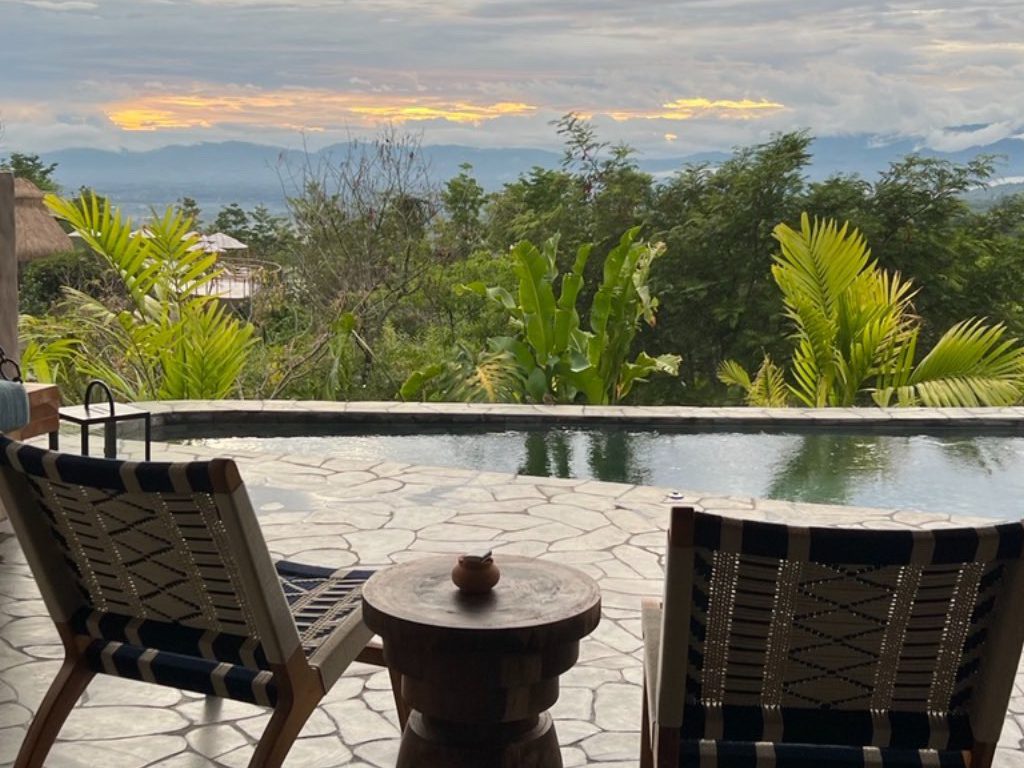
Room and trip details
A beautiful room cannot organise the rest of the stay
The room was not the principal problem for me. I liked the accommodation and the physical setting. My negative verdict came from the communication and the accumulating extra-charge decisions around the experience. That matters especially at a self-contained retreat: when the reason for travelling is to spend substantial time on the property, the service has to make those hours feel coherent, not leave the guest repeatedly working out what the next appealing thing will cost or how it will happen.
There are different ways an expensive stay can feel ungenerous. A clear price for a deliberately chosen extra is one question. A succession of additional decisions inside a stay already sold as a substantial escape is another. My account belongs to the latter concern, alongside communication problems. Reducing it to a complaint that every possible activity should have been free would miss the relationship between the initial promise and the way the days felt in practice.
For a new visit, the current hotel offering should be assessed on its own terms. Included meals, access and experiences need not remain identical across years or rate plans, and a listed experience does not mean it is part of every booking. The newly advertised shared air service shows why current information can materially change the shape of a future proposal. It does not revise the personal disappointment of the historical stay or establish that an earlier difficulty was resolved.
The practical test is whether the central purpose of the visit has been made easy to understand. A person going mainly for treatments needs an appointment plan and enough time around it. Someone drawn by the landscape and accommodation may prefer fewer fixed commitments. Those are distinct uses of the same retreat. Good service should help turn the chosen priorities into a manageable day, rather than merely present a large number of individually attractive possibilities.
I would give that work more weight here than I would at a city hotel whose main role was to provide a comfortable room. Leaving a city hotel for another restaurant is ordinary. At a remote property, replacing an unsatisfactory part of the programme may require more coordination and a larger journey. The surroundings create the retreat's appeal while also increasing the importance of the operator's judgment and clarity.
Further reading
Choose the kind of retreat, not just the word wellness
The comparison with other stays helps define what I wanted rather than rank entire destinations. At Lefay Lake Garda, I enjoyed a largely self-directed wellness routine with full board and familiar people in the restaurant. At SHA Mexico, a more structured programme made the food, appointments and quiet environment central to the purchase. AltaGracia offered another combination of private accommodation, landscape and selected experiences. The question is which rhythm is worth the journey, then how effectively the property supports it.
A long list of spa and outdoor options cannot answer that question alone. The relevant detail is how the choices fit together within the available days, including the arrival and departure. A treatment is not simply an item to add beside a meal and an outing: each occupies time and creates a commitment. At a destination chosen for stillness and privacy, too many small arrangements can consume the very freedom the accommodation seemed to promise.
My verdict on Hacienda AltaGracia remains negative despite the beautiful setting and room. That is not a reason to dismiss inland Costa Rica or pretend every remote retreat works in the same way. It is a reason to take the service model seriously when choosing a property that will contain so much of the visit. For another Costa Rica trip, I would begin with the landscape and daily structure I actually wanted, then judge the full proposal against the standard those choices require.
Start with your dates and priorities
Plan a Costa Rica retreat
Tell us what you expect from the room, transfer, activities and wellness schedule so the quote can be checked against the trip you want.