At Aman Venice, the room I regarded as the base option was already more than enough. At Cap d'Antibes Beach Hotel, a smaller room convinced me to pay for at least a suite next time. I loved both hotels. The different conclusions came from what I actually wanted to change about the stay.
That is where I would begin an upgrade decision. A suite can give me somewhere more comfortable to live, a particular view or a service arrangement I value. It can also be an expensive way to acquire space I barely use. The question is what the additional money changes after the pleasure of opening the door has passed.
What a 'suite' actually gets you
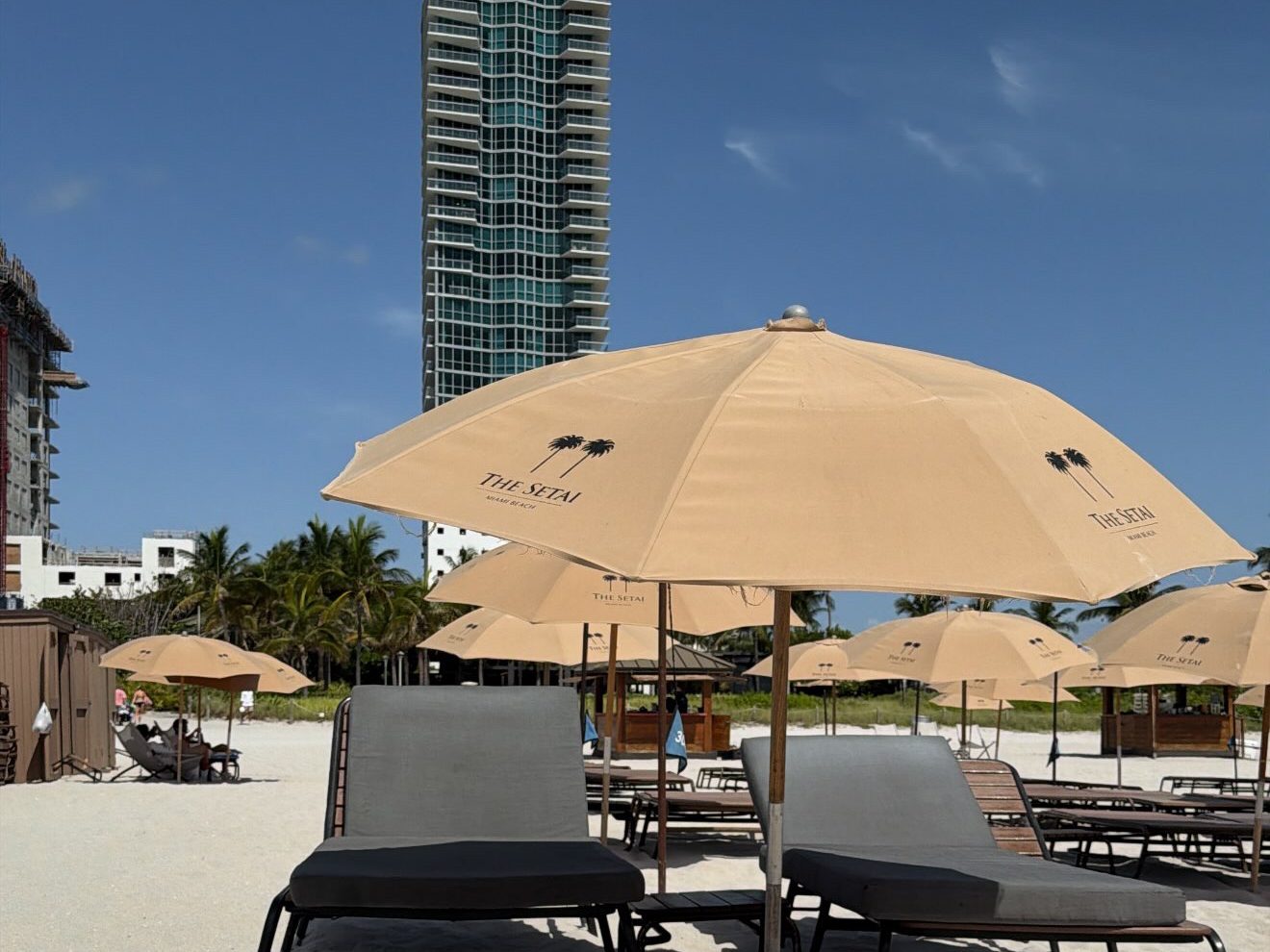
The Setai is a useful example because my experience there includes studios and larger ocean-view accommodation with one or two bedrooms. If the budget comfortably allows, I think the ocean-view one-bedroom is worth it. The two-bedroom accommodation I experienced was exceptional. I remember a kitchen, a stocked refrigerator and a more substantial welcome in the larger accommodation. Those features made it feel possible to settle in, rather than simply sleep there between visits to the pool.
The current inventory explains why an upgrade conversation needs more detail than “one-bedroom suite.” The Setai has an Art Deco collection and a separate Ocean Suites offering. Art Deco studios are listed at 54–57 square metres, and its one-bedroom suites at 73 square metres. One-bedroom Ocean Suites are listed at 79–84 square metres, with balconies and a different set of benefits. The same bedroom count can therefore describe materially different bookings. Art Deco accommodation · Ocean Suites
For me, the appeal of more space here sits within a hotel I already want to use extensively. I like the gym, the pools and beach, and I return to the restaurants. A better room adds private time to an already appealing day. It does not have to compensate for a property I dislike.
That also changes how I would assess the price. The Ocean Suites page currently lists benefits such as breakfast, airport transfers and valet parking for one car. Those are relevant to a comparison if they apply to the offer and replace things I would otherwise buy. They are less useful if I arrive without a car, make different transfer arrangements or plan to eat elsewhere. I would compare the actual bookings, including their terms, rather than place a theoretical cash value on every listed benefit.
When a suite upgrade is worth paying for
My two visits to Cap d'Antibes Beach Hotel gave me a much simpler answer. The booked categories were Suite Le Cap and, later, a Privilege Room. I loved the larger accommodation, including the bath with a view. The smaller room felt small. On a return, I would want at least a suite.
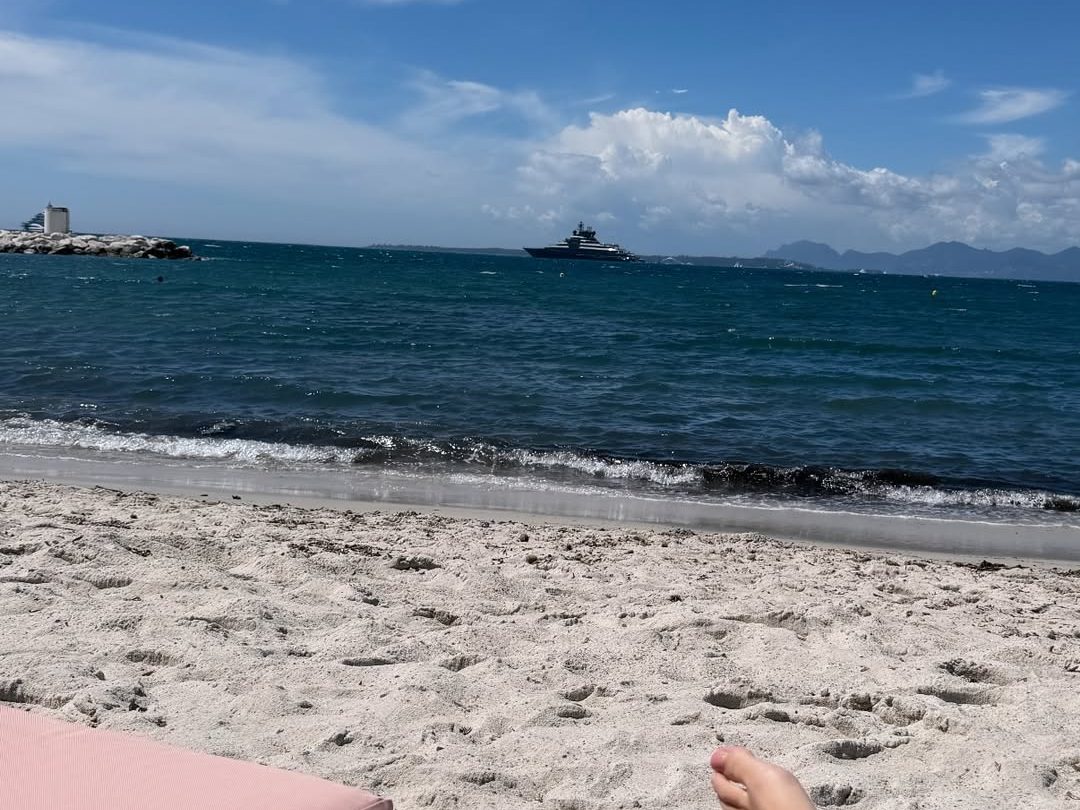
That preference is unusually useful because it comes from having tried the compromise. The beach, pool, colors and relaxed coastal character still made the hotel one of my favorites. The thing I wanted to change was the space I came back to. An upgrade would address a specific limitation without requiring me to abandon the place I loved.
The hotel's current range also makes clear that it is worth looking beyond a category label: it distinguishes rooms, suites, sea-view suites and Le Cap, with different outdoor arrangements. I would use those descriptions to find the kind of accommodation I want now, rather than assume every current category reproduces an earlier stay exactly. Current rooms and suites
More room would not solve my other reservations. I wanted a proper gym, and the prices at Baba were high. Those belong in the hotel decision separately. Upgrading can improve a weak part of an otherwise excellent stay; it cannot turn every weakness into something the room can fix.
When the standard room is already enough
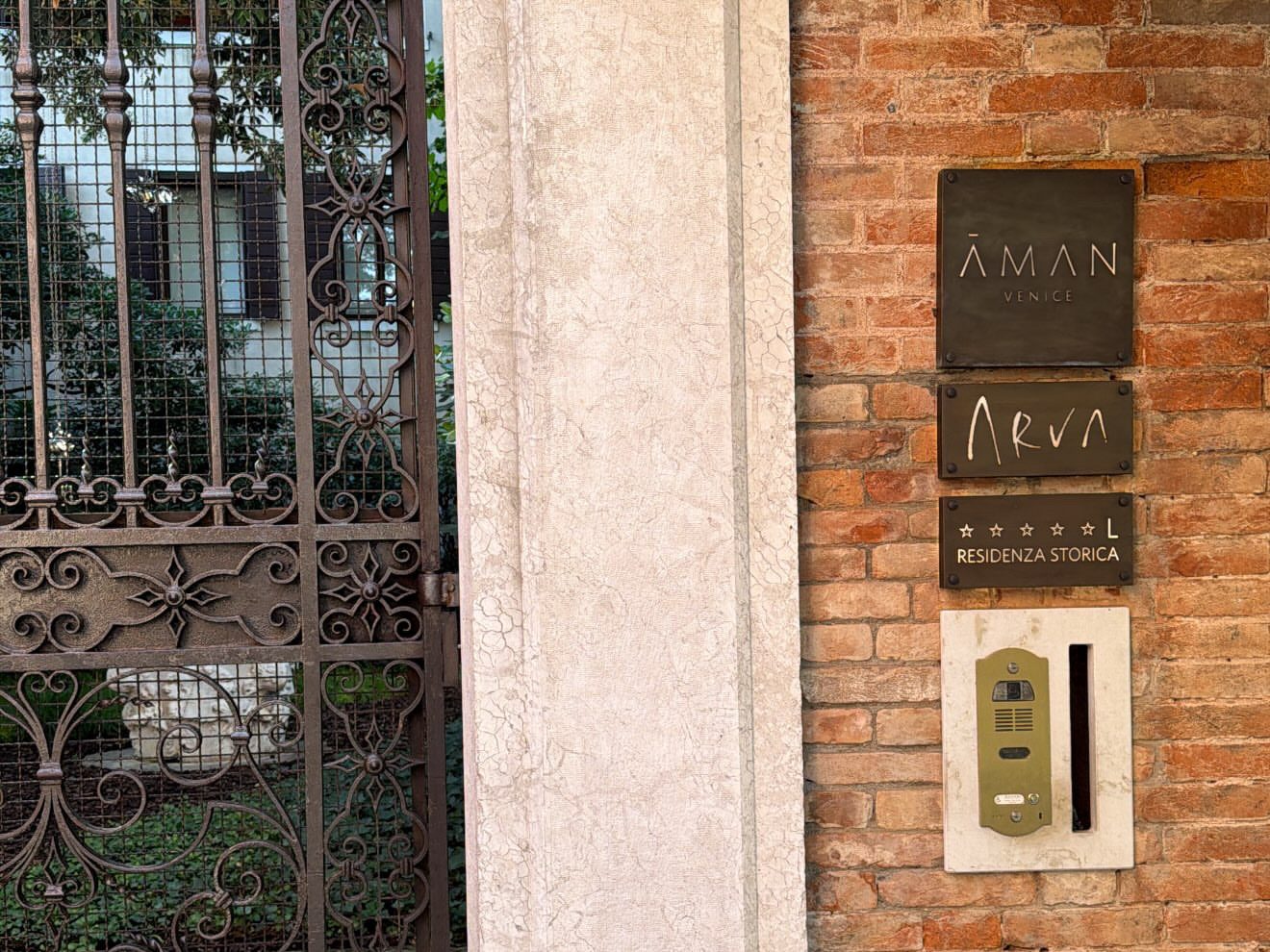
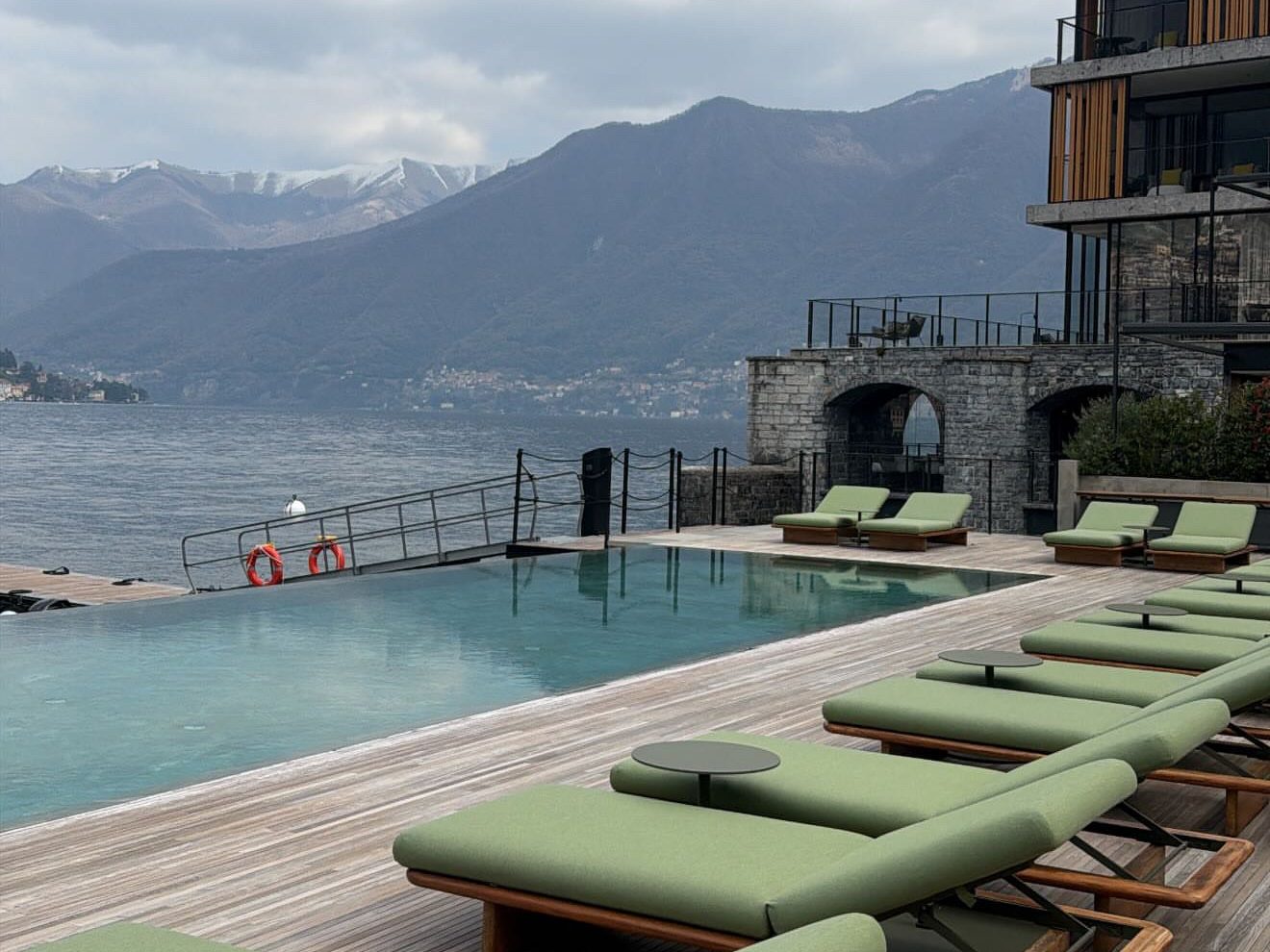
At Aman Venice, the room I thought of as the base option was very large. The bathroom had two sinks, a wonderful shower and a bath. I was not left thinking that I needed a higher category to feel comfortable.
The current room range begins at 47 square metres. Beyond that, the choices include different outlooks, historical frescoes and Grand Canal views. That is useful context because the premium may buy a particular architectural or visual experience, rather than simply rescue an inadequate starting room. It is not evidence that my past accommodation occupied any one of today's categories. Aman Venice's room range
I would be willing to consider a special view or a room whose architecture mattered to me. But I would want that to be a deliberate desire. The service, breakfast and rooftop were already part of why I loved the hotel. Moving higher in the room hierarchy was not necessary to enjoy them.
This is why I don't have a rule that the suite is always the sensible choice at an expensive hotel. At Cap d'Antibes, I know what I missed in the smaller room. At Aman Venice, the comfort I wanted was already there. The starting point matters as much as the size of the proposed upgrade.
The day outside the room has value too
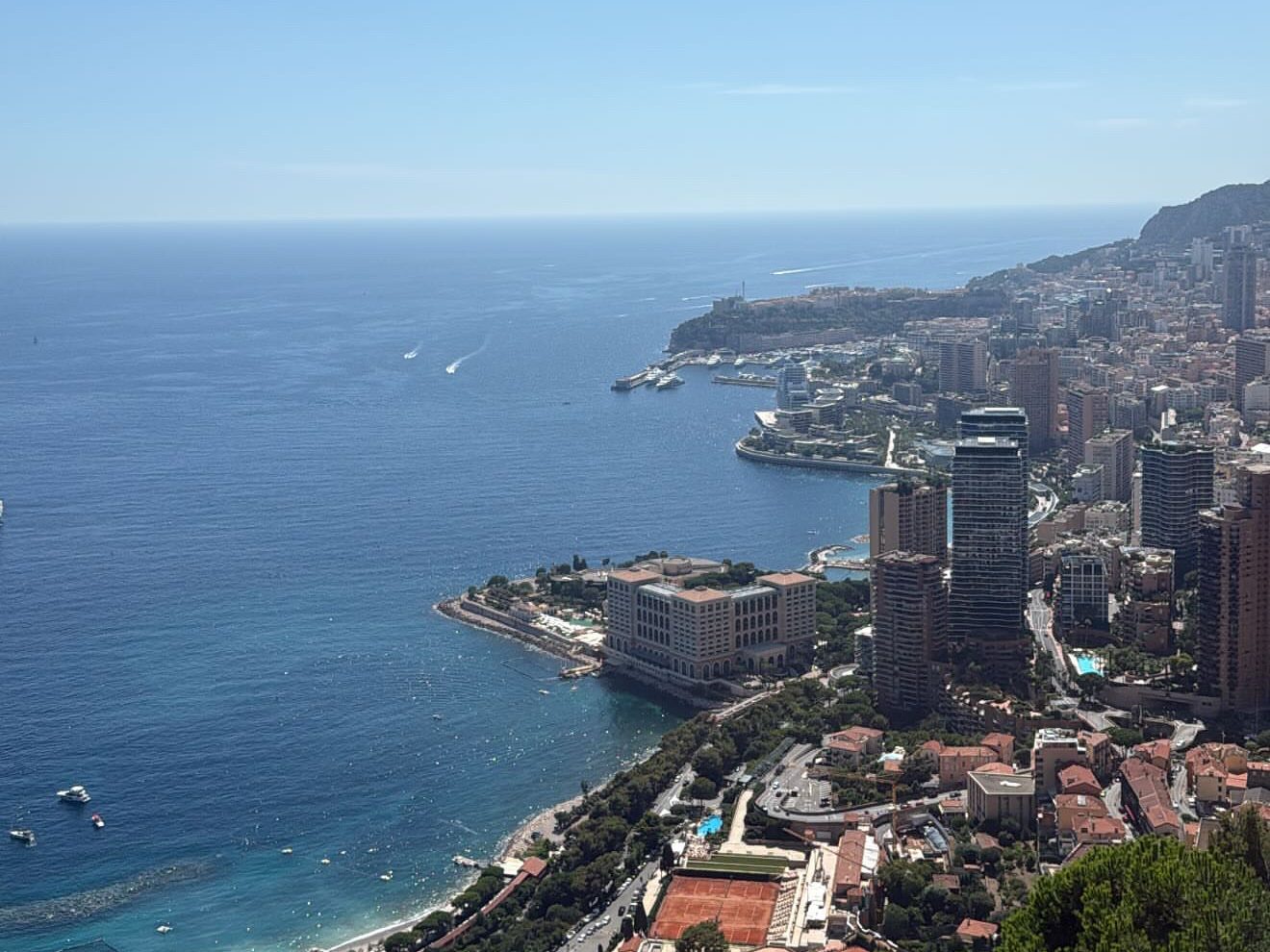
Grand-Hôtel du Cap-Ferrat complicates the question in a different way. I found the entry-level rooms small and expensive, but the estate extraordinary. The flowers, grounds and Club Dauphin were major reasons I rated it so highly. Taking the funicular down to the pool was part of the experience itself.
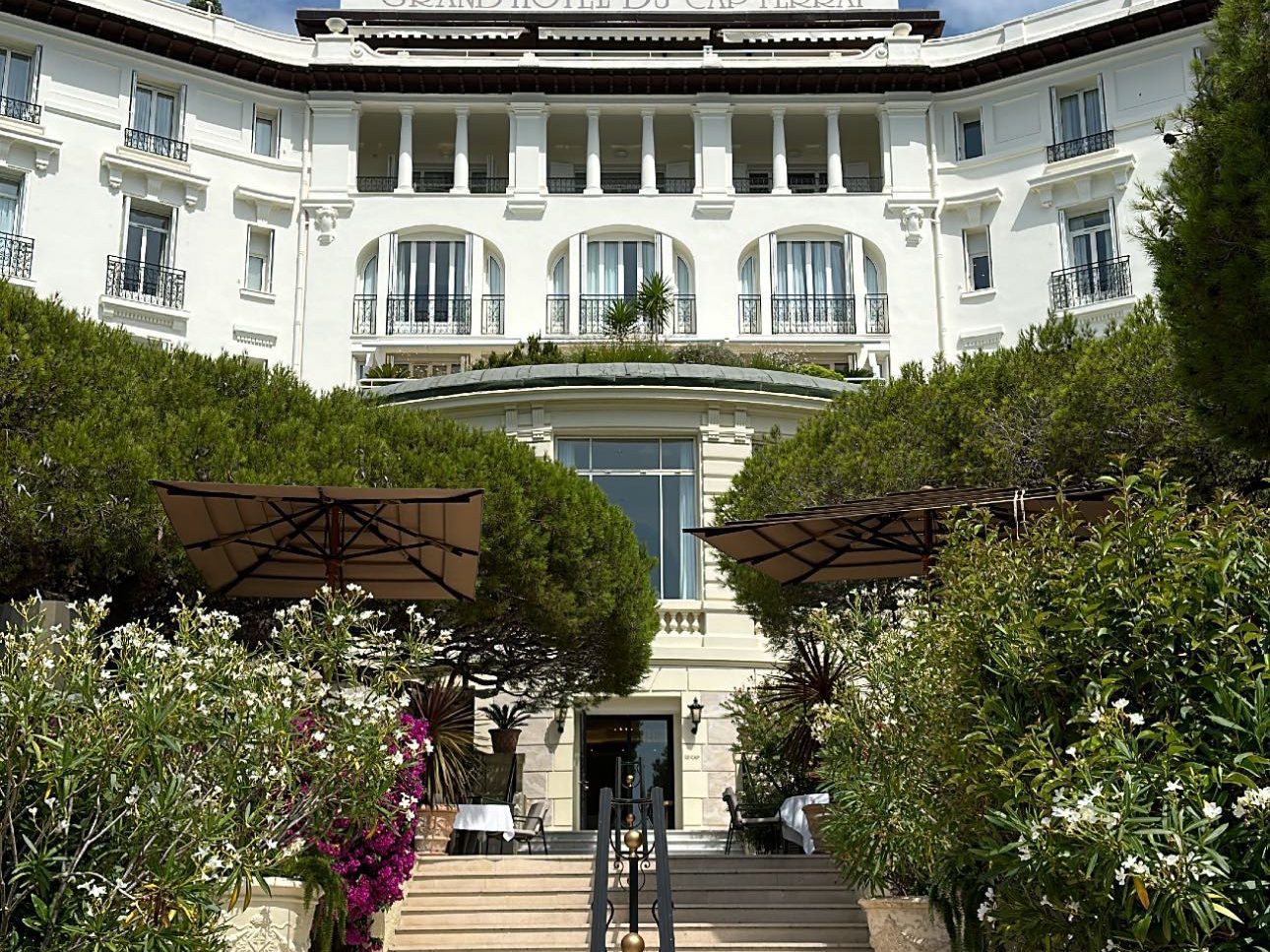
The pool club occupies a specific kind of coast: Four Seasons describes a heated seawater pool above the rocky Mediterranean shoreline. That is the setting I would want time to enjoy. It is different from choosing a room mainly for a private terrace or spending most of the visit away from the property. Club Dauphin
Here, I would weigh how much of the hotel I am buying outside the bedroom. If the estate and pool are the point, a smaller room may be a compromise I can accept. If the trip is built around quiet private time, the same room could feel much less convincing. A higher category is neither automatically wasteful nor automatically necessary; it depends on where the stay will happen.
That question also stops me from using an impressive room as a substitute for an appealing hotel. At Cap-Ferrat, the shared spaces are a reason to stay. Elsewhere, I might spend heavily on a suite and still have little enthusiasm for the public areas I encounter every day. The two decisions need to work together.
A particular room can be the destination
The accommodation I knew as the Top of Five Secret Suite at Five Seas Cannes is a room I would return for. The top-floor position, balcony, sweeping outlook and shower beneath a skylight gave it an apartment-like feeling that I loved.
The hotel's current page uses the name Panoramic Terrace Suite and describes the top-floor access, private terrace and glass-ceilinged shower. That change in wording is a good reason to identify the accommodation by its actual features when booking again. The generic word “suite” would not convey what I am trying to repeat. The current suite description
This is a more personal kind of value than extra floor area. The room has become part of my attachment to Cannes. I like having the town outside and that particular space to come back to. Its value comes partly from memory, but also from knowing exactly which features made me happy.
How to compare a suite with a longer stay
When I look at two offers, I would begin with the additional cost across the whole stay, then identify what changes: layout, outdoor space, outlook, privacy and any benefits I will actually use. A nightly difference becomes a larger decision over several nights. An inclusion only reduces that difference if it replaces a real expense.
I would then ask where that extra money has the most effect. At Cap d'Antibes, it would buy space I already know I want. At The Setai, it can change how comfortably I settle into a longer beach stay. At Five Seas, it buys a particular room I love. At Aman Venice, I have been entirely happy without moving higher.
Those experiences make me comfortable both paying more and stopping at the first category that meets the need. What persuades me is being able to picture the improvement in use: time on the balcony, a bathroom I enjoy, or enough separation to make the accommodation feel like somewhere to live. The label is secondary. I want the better stay.
Written from Robert's own stays. Where a detail is about a hotel today rather than my own stay, it links to the hotel's own page. Rooms, prices and facilities change, so confirm the details for your dates before booking. Planning a trip like this? Tell us about it.