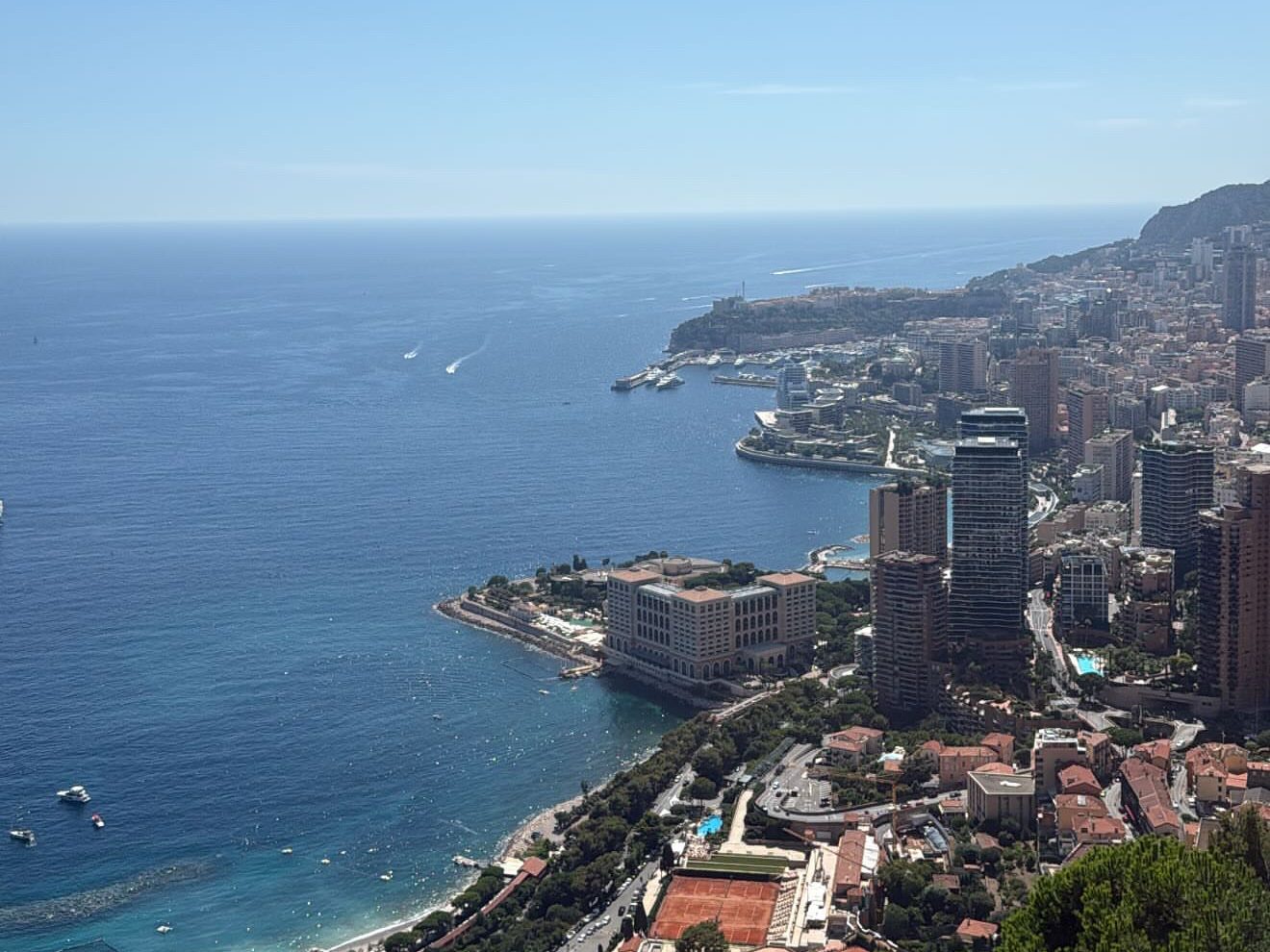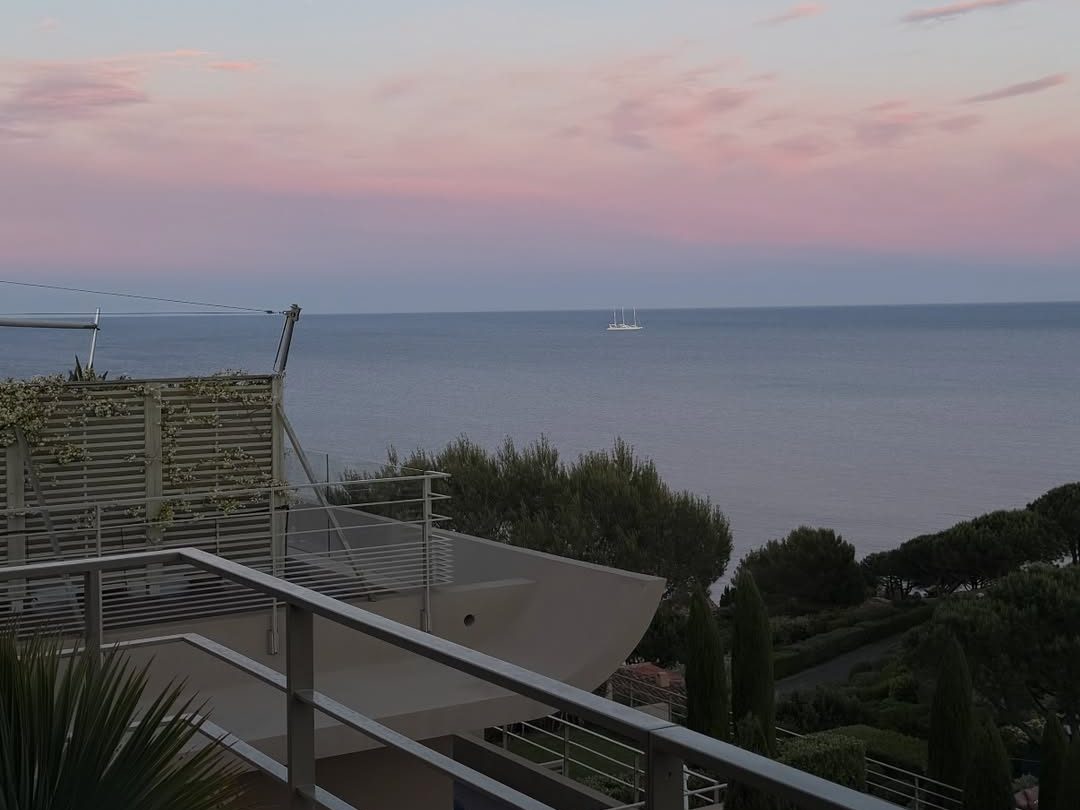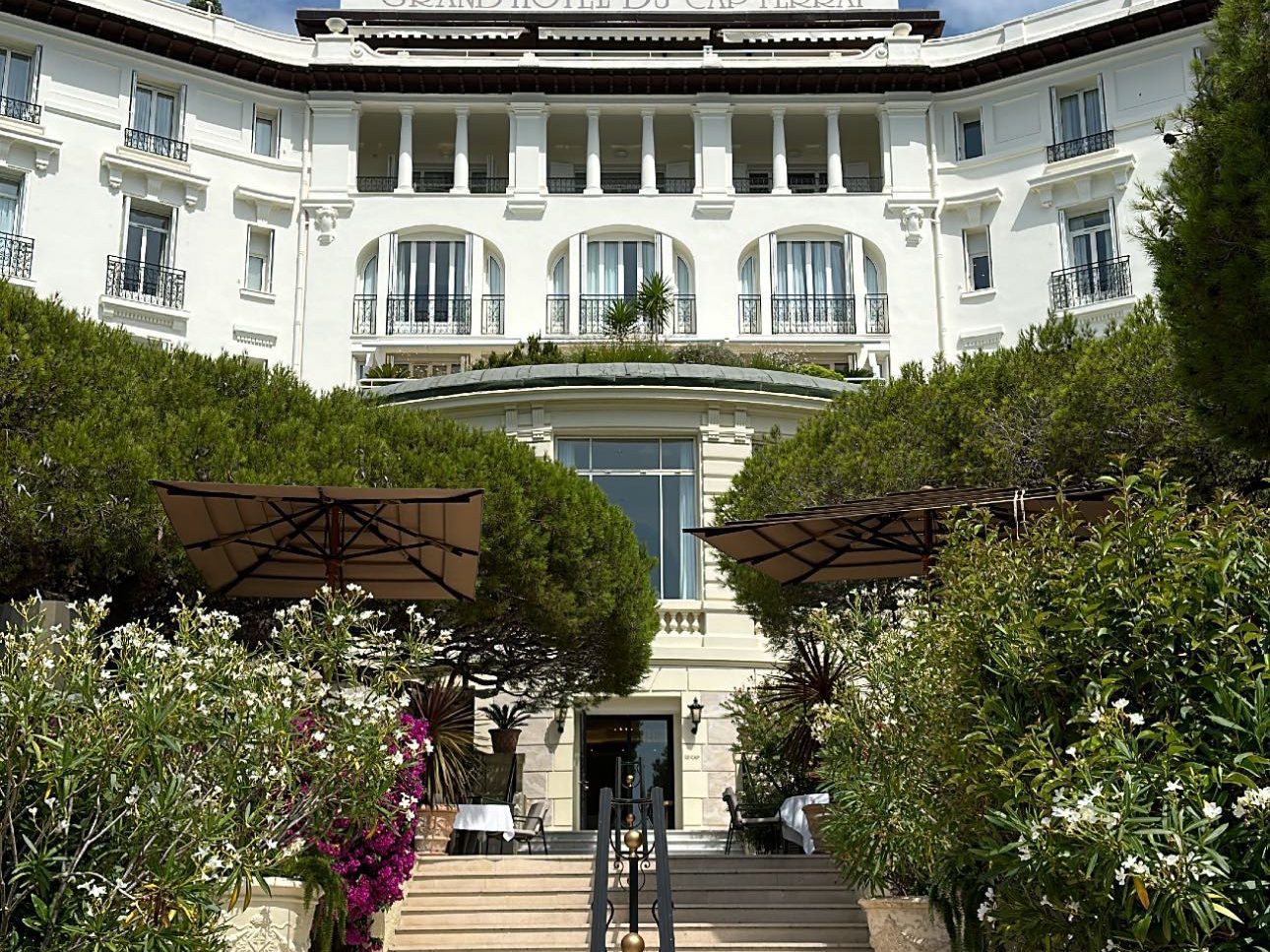
Grand-Hôtel du Cap-Ferrat is one of the benchmarks of the French Riviera for me. I regard the region as one of the best places in the world, and this hotel belongs among its strongest addresses. The grounds, flowers and pool club are the parts that make the case most clearly.
The qualification is the room. I found the entry-level rooms small and expensive. What I valued was access to the whole estate and, especially, Club Dauphin. I would make that distinction explicit before recommending a booking: part of what you are paying for is the day you can spend outside your room.
01The Grand-Hôtel du Cap-Ferrat estate and gardens
The property felt grand in a way that went beyond the size of a bedroom. The floral displays were exceptionally beautiful, and the grounds contributed strongly to the experience. These were details I noticed, not just features in a hotel description.
The hotel’s history, published by Four Seasons, places its opening in 1908 on land of nearly seven hectares. The dining loggia and central Rotunda followed in 1909, to a design by Gustave Eiffel. Later renewal included landscape work by Jean Mus and interiors by Pierre-Yves Rochon. That makes the estate more specific than a generic idea of old Riviera grandeur: the architecture and grounds have been shaped over time, and the outdoor spaces that impressed me are part of that design history.
The same account describes the Riviera’s change from a predominantly winter destination for long-staying northern European visitors to a summer destination during the 1930s. I find that useful context for the hotel I enjoyed. The pool club and a day spent beside the sea belong to a different pattern of travel from the original winter retreat, even though they now feel inseparable from the property. Its history helps explain how a grand hotel can acquire a second center of activity outside its main building.
The estate changes the usual emphasis of a room-led review. A small bedroom can remain a serious drawback while the overall hotel is exceptional, because the grounds and Club Dauphin give a guest reasons to spend much of the day elsewhere on the property. That is a real trade-off, not an excuse to overlook the price. It works best for someone who wants that outdoor rhythm. A visitor who needs a generous private retreat for most of the day may reach a different conclusion from the same hotel.
02Club Dauphin: the pool by the sea
Four Seasons describes Club Dauphin as a heated seawater pool above the rocky Mediterranean coastline. That is the useful distinction for planning: think of a coastal pool club with a sea view, rather than assume a conventional sandy beach immediately in front of the loungers. I do not clearly remember the sea-entry arrangements from my visit; my strong recommendation is for the pool club itself.
The funicular is a small but telling part of that experience. A pool elsewhere in the grounds could simply be another facility to reach. Here, the descent gave the day a distinct change of setting. The main hotel and Club Dauphin felt like parts of one stay with different moods, rather than the same view repeated from another lounger. That is why the club has such a prominent place in my memory, and why I would give it real time on a return.
I would dedicate a substantial part of a day to it. A reservation here becomes less meaningful if you are constantly leaving for another hotel, another restaurant or another destination. The estate and club are reasons to stay on the property long enough to enjoy them.
03Where to eat at the Grand-Hôtel
I recalled roughly three restaurants, and the current official collection names Le Cap, La Véranda and Club Dauphin, alongside Le Bar. Club Dauphin's restaurant is part of the pool-club setting, so the options should not all be pictured inside the main building. Dining at Grand-Hôtel du Cap-Ferrat
My strongest firsthand comments concern the estate and pool rather than individual dishes. The useful dining question for a return is how the restaurants let that day unfold. A lunch around the pool club, a more flexible hotel meal and a deliberate evening reservation serve different purposes. I would not automatically book the most formal option every night. If spending time on the property is the point, food should help sustain that pleasure rather than make the visit feel like a sequence of separate appointments.
La Véranda is the flexible choice for a day around the estate: breakfast, lunch, an afternoon snack and dinner all appear on its published schedule. Its food draws on the French Riviera and neighboring Italy, with the informality of a hotel bistro rather than a long tasting-menu occasion. The important calendar detail is that the 2026 schedule ends November 15. A page describing summer terrace dining should not be read as a promise of winter service.
The all-day menu, available when checked in November 2026, puts sea bass at €68 and lobster with lemon and gnocchetti at €92, including service. Those are examples of the published offering, not dishes I am claiming to have eaten. They make the estate calculation more concrete: a day spent enjoying the hotel includes food costs as well as accommodation. Access to beautiful grounds may explain a room’s appeal, but it does not make the rest of that day inexpensive.
Le Cap is the more formal evening choice. Chef Yoric Tièche’s cooking draws on Provence, Mediterranean seafood and ingredients from the hotel gardens; its dinner menu shows that direction. Four Seasons marks the restaurant temporarily closed at the November 2026 check. The restaurant’s next season therefore needs to be part of planning a dinner, even while its menu remains available online.
The distinction between the venues is more useful than a long catalogue of dishes. La Véranda offers flexibility, Club Dauphin lets a meal remain part of the pool setting, and Le Cap asks for a more intentional evening when it is operating. For the visit I would want, those roles should leave enough space to enjoy the estate. A celebrated restaurant can be a reason to come, but my own recommendation for the hotel begins outside the dining room.
04A benchmark within my Riviera travels
When I described the hotel as a regional benchmark, I was thinking particularly of the coastal stretch between Monaco and Cannes, or a little beyond. I was not including Saint-Tropez in that particular comparison. That is the scope of my personal comparison, not a geographical definition of the French Riviera.
Within that personal comparison, the flowers, grounds and pool club give Grand-Hôtel du Cap-Ferrat a particularly strong identity. They make the property more than an address from which to visit the Riviera. The region remains a reason to travel here, but the hotel becomes a destination within it. That is the distinction I would keep in mind when deciding whether to devote a meaningful part of the itinerary to this stay or choose somewhere whose location chiefly makes outings easier.
05My verdict
I rate Grand-Hôtel du Cap-Ferrat extremely highly. Club Dauphin and the estate are the reasons, and the small, expensive entry-level rooms are the qualification. I would come with time for the grounds, the funicular and a proper pool-club day. Used that way, the hotel offers the kind of Riviera stay that makes it a benchmark in my experience. Used only as an expensive bedroom between other plans, it would miss much of what I value about being there.
Written from Robert's own stays. Details about today's rooms, dining and facilities link to the hotel's own pages and were checked in November 2026. They can change, so confirm them before booking.