Home · Destinations · French Riviera
France · Coast and city
French Riviera
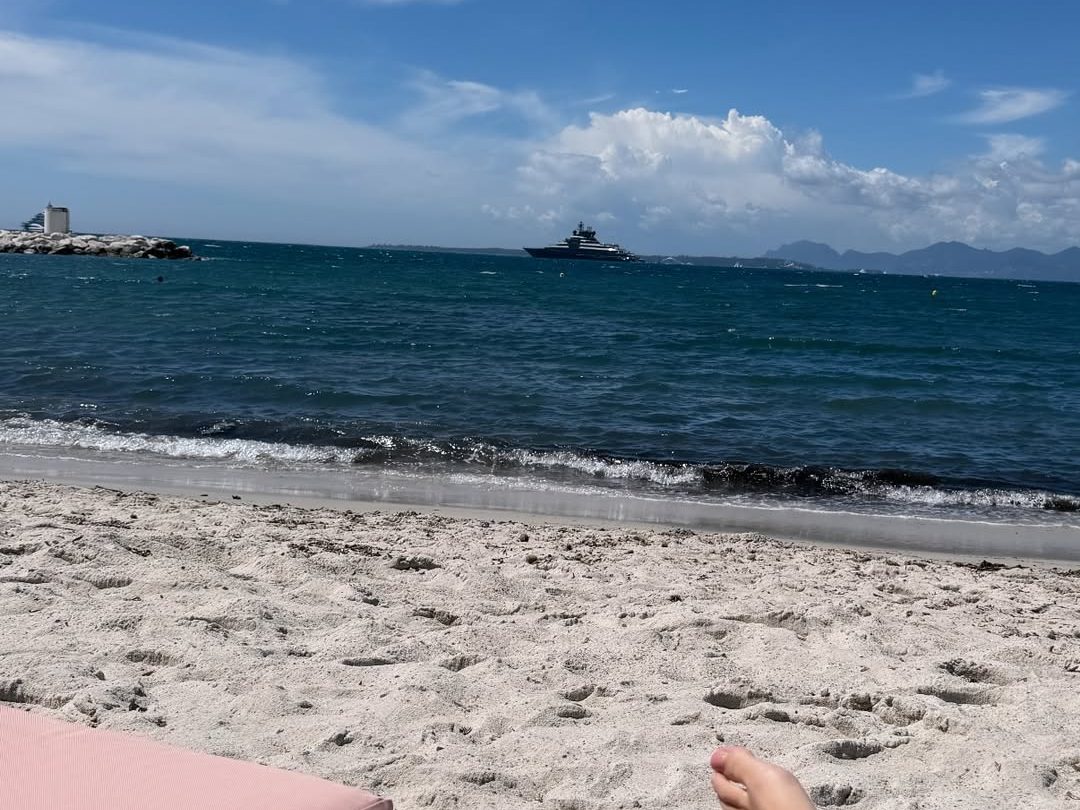
The Riviera hotel decision begins at the water’s edge, but the useful distinctions are not simply “sea view” and “no sea view.” A city hotel, a room directly beside a beach, a clifftop resort and an estate with a separate beach club produce different days. My six hotel accounts are most useful when those differences remain visible, including the room, gym and restaurant criticisms.
Start with the geography
Rail connects the coast; it does not remove the last leg
Nice and Cannes give a visitor streets, restaurants and transport outside the hotel. The regional railway runs along the coast between Cannes and Ventimiglia. That creates a practical way to combine city visits without moving hotels each time. It does not make every property beside that rail corridor equally accessible: reaching a hilltop, peninsula or estate after leaving the train remains a separate part of the journey.
Nice’s stations illustrate why the exact connection matters. Nice-Ville serves the central district; Nice Saint-Augustin is the airport station, near the Grand Arénas tram stop; Nice-Riquier is useful for the port side. The Chemins de fer de Provence station in Libération serves a different railway. “Near a Nice station” can therefore describe very different starting points. Choosing a central Nice hotel can support a regional day by rail, while a secluded hotel may reward staying on its grounds instead.
Ramatuelle belongs to the Saint-Tropez side of the region, not to a succession of short rail stops between Nice and Cannes. I would not let a coast-wide label turn those places into one neighbourhood. That geographical separation is part of the appeal for someone choosing a quieter stay, but also a reason not to fill it with repeated journeys to cities elsewhere on the Riviera.
Nice, Cannes and above Monaco
A city balcony or a clifftop outlook
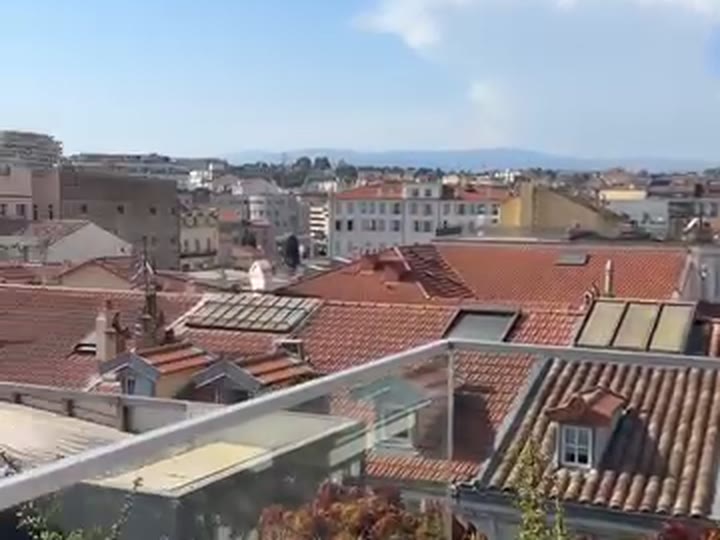
At Anantara Plaza Nice, a junior suite with a terrace and sea view, followed by rooftop breakfast, made a lovely beginning to a longer trip. The outlook was part of what worked. The distinction from a beachfront resort is that Nice remains around the hotel: the city and its seafront can shape the day without the property needing to supply every meal or activity. A rooftop view and a bedroom-to-sand routine are different purchases, even when both photographs contain the sea.
Nice also supplies public space between hotel and water. The Albert I Garden connects Place Masséna with the Promenade des Anglais and historically linked the old and new city. Lawns, fountains and the open-air theatre give that central area uses beyond moving through it. This is the substance behind choosing a city-facing stay: a visitor can step into gardens and streets without asking the hotel to manufacture a resort programme, then return to a terrace and rooftop breakfast as separate pleasures.
Five Seas Cannes worked for me particularly because of the Top of Five suite: balcony, outlook and skylit shower gave it an unusually private-apartment feeling. The rooftop pool and kind concierge added to the stay. I would not turn that into an endorsement of all the facilities. The pool is relatively small and the gym disappointed me. Cannes supplies the wider setting, while the particular suite gave me a reason to enjoy returning. A standard room elsewhere in the building would be a different comparison.
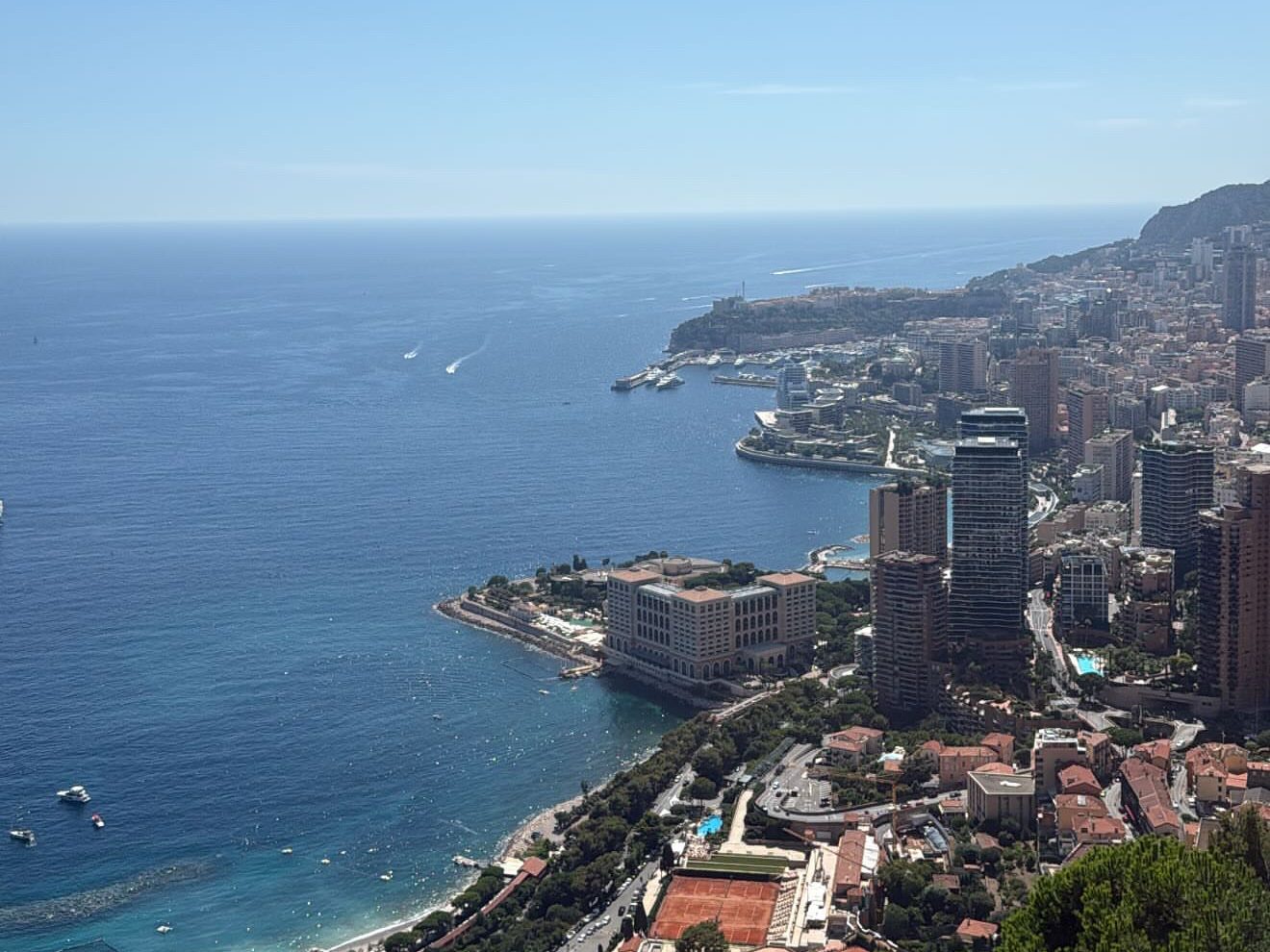
The Maybourne Riviera reverses the city-hotel relationship. I have returned four times for the view, concierge, restaurants, beach club and gym. Its clifftop position near Monaco is the feature, rather than a small logistical imperfection to overlook. The concierge helped connect transport, tennis and time by the water, giving that dramatic separation a workable daily shape. This is where service adds substance: the view remains memorable because reaching the rest of the day does not have to become the guest’s main task.
Five Seas Cannes
Anantara Plaza Nice
When the hotel is part of the day
Direct beach, pool estate and separate beach club
Cap d’Antibes Beach Hotel is one of my favourites because the private beach, pool and beach bar make a coastal day feel easy. The smaller non-suite rooms felt cramped, however; the gym was inadequate for serious training, and Baba struck me as expensive. The recommendation is strongest for someone buying that beach-centred rhythm while choosing the room carefully. Beach access can be excellent without making a small bedroom larger or a disappointing gym suitable for a demanding workout.
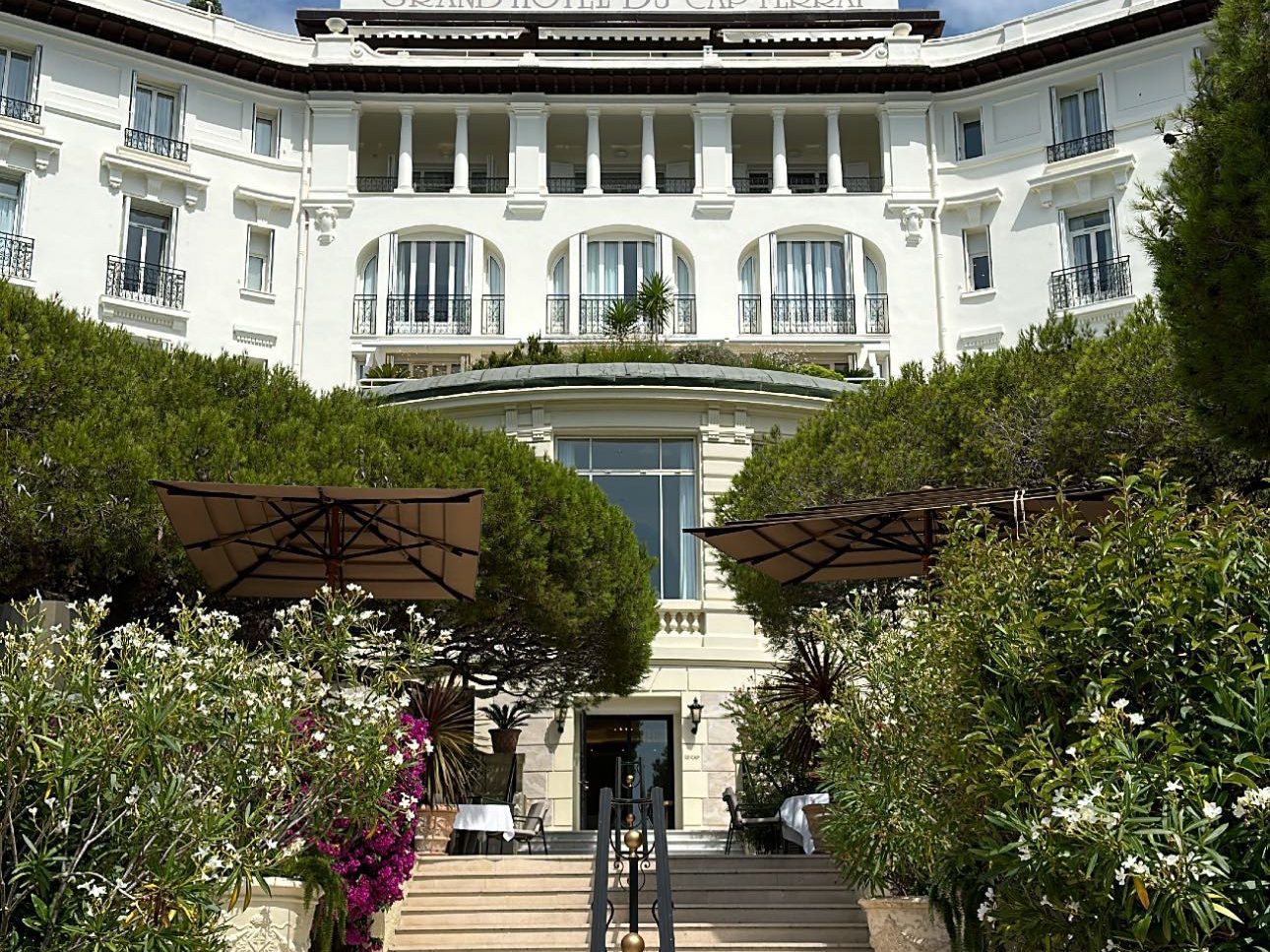
Grand-Hôtel du Cap-Ferrat gives the grounds more of the story. I remember extraordinary flowers, the estate and the Club Dauphin pool; taking the funicular down was part of the experience. The journey within the property helps explain why I would leave time for it. This is not merely a convenient place to sleep between coastal outings. Its value is easier to understand when the gardens and pool club are allowed to become the day rather than remaining scenery glimpsed on departure. The entry-level room felt small and expensive to me, a real qualification beside the extraordinary grounds.
At La Réserve Ramatuelle, privacy, discreet service, a substantial spa and a gym I wanted to use were central. The beach club is at another address. That separation does not make it an inferior stay, but it changes what “a day at the beach” involves. A guest can choose the quieter property and arrange the beach outing, rather than expect the same immediate relationship with the sand as at Cap d’Antibes. Comparing beach clubs only by photographs would conceal that difference.
Those three choices therefore provide different forms of access. At Cap d’Antibes, the beach is woven into the hotel routine. At Cap-Ferrat, movement through the estate and down to the pool is part of the pleasure. At La Réserve, leaving for the beach is a deliberate outing from a more private base. The distinction is concrete enough to outweigh a small difference in room size or an apparently similar sea-facing terrace.
Cap d’Antibes Beach Hotel
Grand-Hôtel du Cap-Ferrat
La Réserve Ramatuelle
Room, movement and meals
Make the season part of the choice
The coast’s appearance is more constant than its dining programme. At the November 2026 check, Cap-Ferrat’s La Véranda season ended on November 15 and several Maybourne venues were closed for winter. The hotel reviews link the current operating pages, rather than treating a summer terrace photograph as a year-round service promise. That matters particularly when a specific restaurant or beach club is one of the reasons for choosing a remote property. A city address provides more alternatives outside the hotel; at a secluded base, a closure can change the whole evening rather than only one reservation.
My Riviera hotel essay develops the comparison, while the concierge guide explains the role of useful coordination. I would settle the kind of coastal day first, then use the rail line, hotel transport and actual beach address to make it work. That keeps the geography connected to the pleasure being bought, rather than treating travel between beautiful places as time that somehow does not count.
Start with your dates and priorities
Plan a trip to the French Riviera
Tell us whether you picture a city address, a beach-led stay or time on a quieter estate, and what you want the days to include.