Home · Destinations · Italy
Italy · City, coast, lakes and mountains
Italy: Cities, Coast, Lakes and the Dolomites
The Italian hotels in this collection are strongest as distinct choices: a city concierge in Rome, a palazzo in Venice, two Amalfi settings, two different lakes, Brera in Milan and a Dolomites village. Their contrasts are useful precisely because they do not form one ready-made circuit. I would choose which part of a day the hotel should improve, then choose the region around that purpose.
Start with the map
The address determines the kind of independence
A city hotel can make an unfamiliar place easier to use through its concierge, dining and position. A coastal or lakeside resort may instead earn its price by supplying places to spend time without leaving. A village apartment introduces another possibility: room for an ordinary routine, with shops and local streets beyond the hotel. Those are different kinds of independence, not simply different backdrops for the same suite.
Rome, Venice and Milan should therefore remain cities rather than brief interruptions between resorts. The Amalfi Coast has its own topography and hotel arrangements; Lake Garda and Lake Como are separate lakes, and Castelrotto is a mountain-village base. Italia’s official guide is a useful starting point for the wider regions. The personal comparisons below explain what made particular addresses worthwhile or disappointing once I was there.
Six individual reviews
Rome and Venice: service that changes the stay
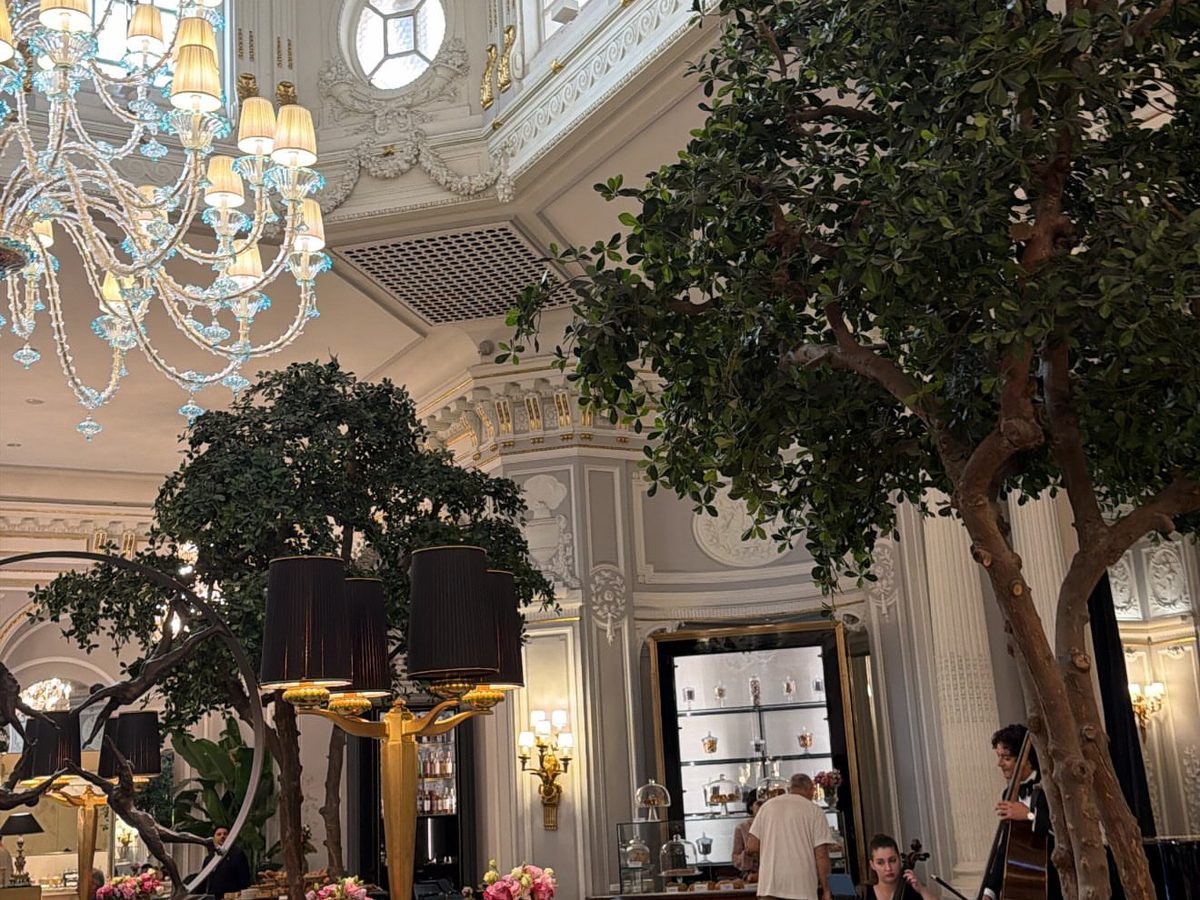
The concierge is a major reason I return to The St. Regis Rome. Lumen, the room and a gym I like using also contribute. The team has helped turn plans into actual days, including the Ferrari rental and separate scooter experience. That is a substantive form of city-hotel value: useful local connections can matter more than another increment of bedroom space. The hotel’s grandeur is pleasant, but the people and the way the public spaces work keep it from being only a handsome address.
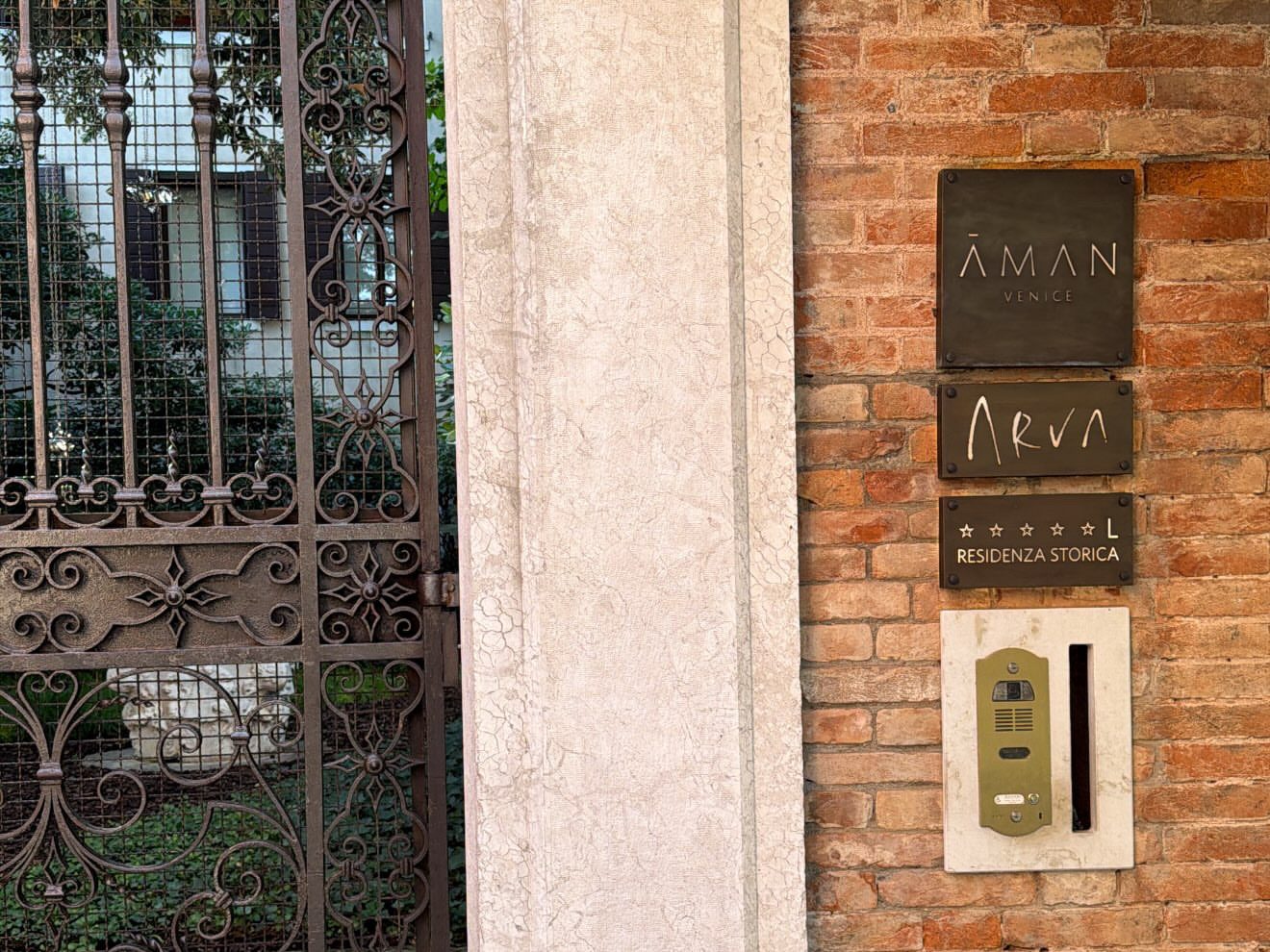
Aman Venice offers another relationship with its city. Service, generous base-category rooms, large bathrooms and the spa made a strong impression. The palazzo setting already gives a room architectural character before moving to the highest tier. I would weigh view and layout rather than assume a more expensive category supplies the whole reason to stay. Venice also changes the arrival and departure rhythm: a canal-side palace is not a road-based city hotel with a view added.
The useful comparison is how each hotel mediates the city. In Rome, I value help organising things outside and a familiar room, bar and gym to return to. In Venice, service and the building itself contribute to the sense of staying somewhere particular. The Rome Ferrari and scooter essay and hotel concierge guide develop the first kind of assistance without suggesting that every Italian stay needs an elaborate programme.
Aman Venice
Borgo Santandrea
Hotel Miramalfi
Lefay Lake Garda
Il Sereno
Casa Baglioni Milan
Schgaguler Hotel
Keep the locations distinct
Two lakes and two Amalfi hotel rhythms
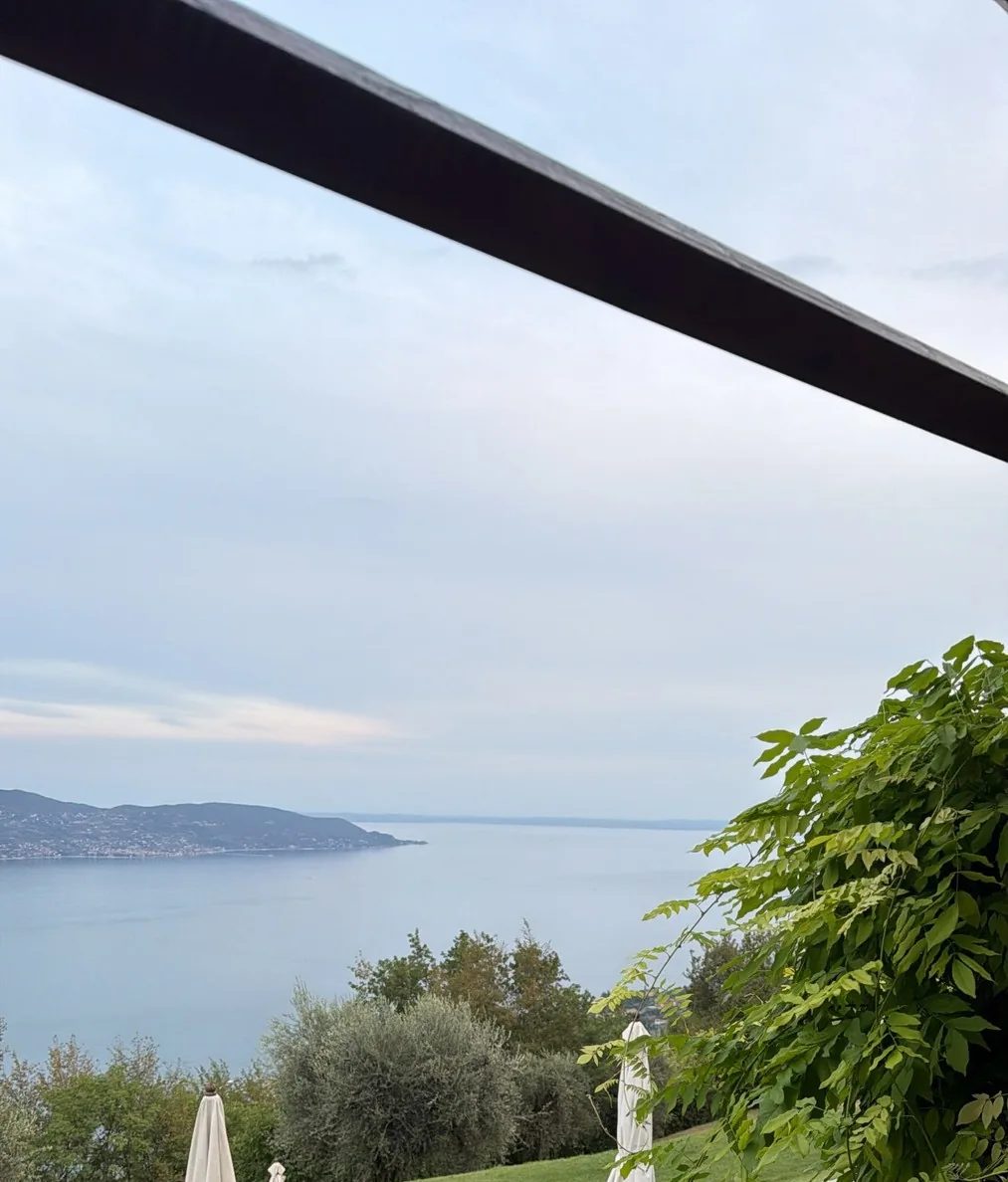
At Lefay Lake Garda, the hillside lake view and substantial communal facilities supported the wellness routine I enjoy. I did not take a structured programme. Full board at La Limonaia helped organise the days around meals and time in the facilities, although the gym equipment did not meet every expectation I had for an ambitious wellness hotel. That combination matters: a good self-directed retreat is not identical to a clinical or tightly scheduled programme.
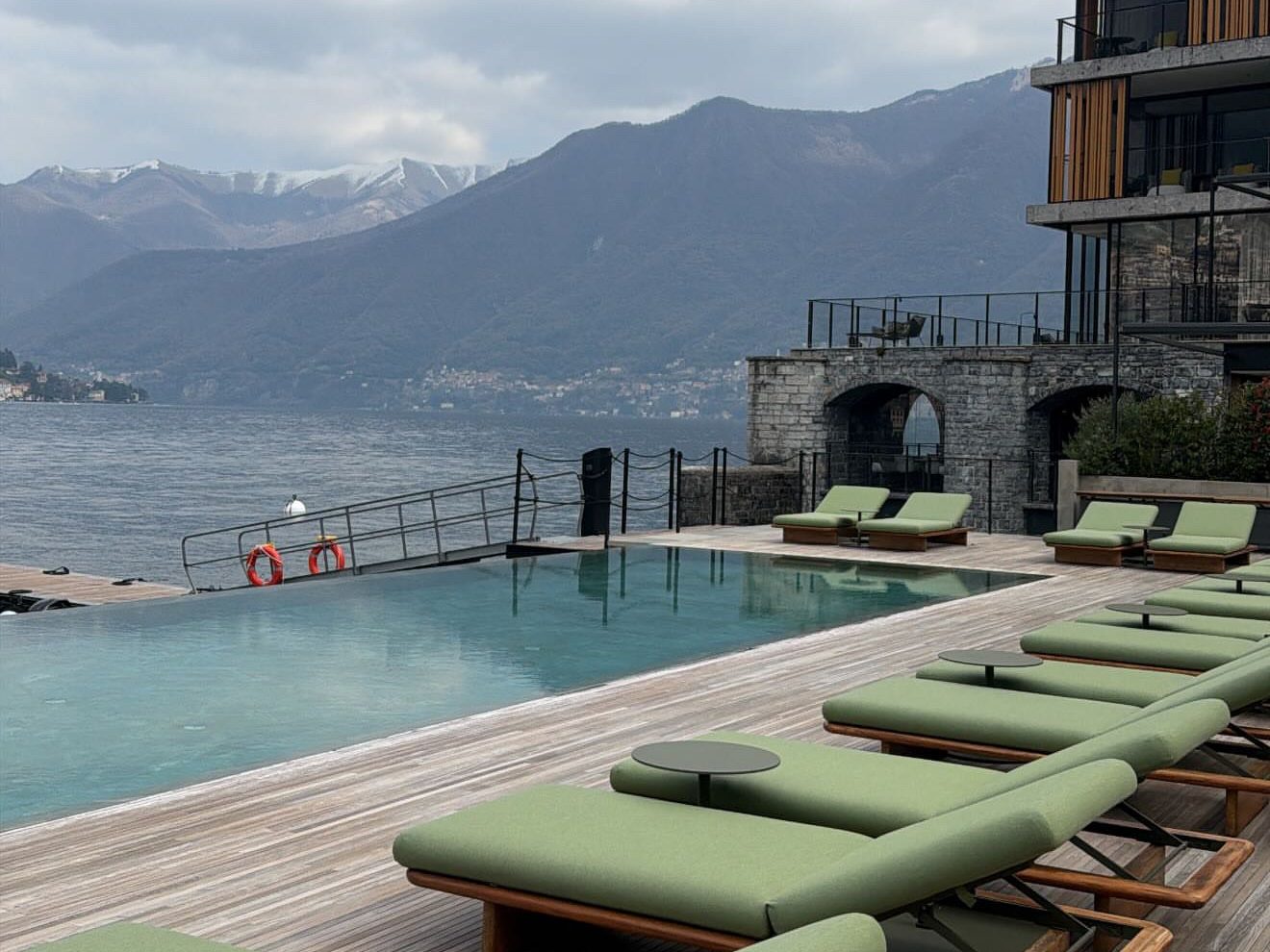
My Il Sereno account concerns a different lake and a historical hotel identity. I remember a modern room, a Lake Como balcony and outstanding breakfast, but a disappointing communal-spa experience. Jumeirah announced that the former property would welcome guests as Jumeirah Lake Como from spring 2027. My review belongs to the earlier stay, not that future operation. Garda’s hillside wellness routine and the Como room-and-breakfast memory should not be collapsed into one generic “Italian lakes” recommendation.
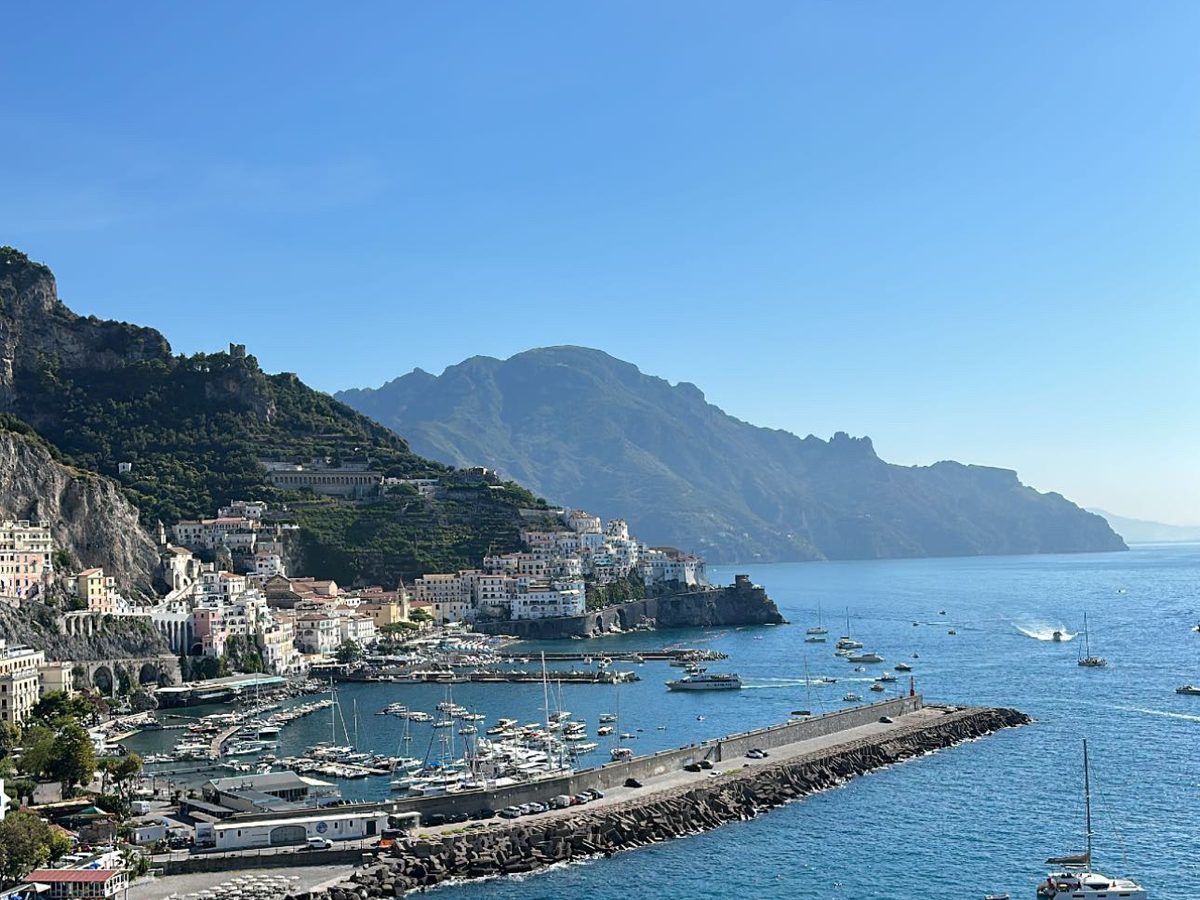
On the Amalfi Coast, Borgo Santandrea combined a room and views I loved with an excellent beach-club setting. The gym felt small, hot and crowded, and food could be expensive. The attraction is substantial time at the property, with the actual balcony or terrace part of the room choice. That is a different proposition from buying only an Amalfi address and spending each day elsewhere.
Hotel Miramalfi felt more intimate and home-like to me, with welcoming people and exceptional food. Its position above the water is important, but the scale and the meals distinguish the memory from another beautiful coastal photograph. I would choose between the two through the desired hotel day: Borgo’s beach-centred setting versus the smaller property whose personal atmosphere and food were especially strong for me.
Concierge, meals and the room
Brera and Castelrotto offer ordinary streets outside
Casa Baglioni Milan gave me an intimate Brera base, a spacious suite, a warm arrival and a good downstairs gym. I thought the value was very good. Brera places the hotel within a city neighbourhood of art, shops and restaurants, rather than making the property a self-contained retreat. The room can be a comfortable return without needing the entire day to happen inside; a restaurant such as Sadler is an additional choice within that city setting.
The official Brera itinerary makes the district’s art identity concrete. Palazzo Brera contains the Pinacoteca, Academy of Fine Arts and Braidense Library, with the Botanical Garden behind. Around that institutional centre are narrow streets, cafés, shops and galleries. The concentration gives a Milan day structure without making the hotel its only destination. A major collection can anchor part of the visit, while a garden or street-level stop supplies a different pace. That is a reason to value Casa Baglioni’s neighbourhood separately from its suite finishes or restaurant.
Schgaguler supplied a mountain version of that connection to everyday streets. I liked the simple apartment, living room, kitchen and outdoor space, the good meals and the strong communal wellness facilities. The rate was half board: breakfast and dinner, not lunch. In Castelrotto, that arrangement can give the day anchors while leaving daytime plans open. It is not the same as a ski-in/ski-out resort or a full-board retreat.
The Alpe di Siusi mobility guide explains why the village’s bus links deserve attention. Ski passes are not bus tickets, and different local services have different ticket arrangements. A convenient village base works when the route to the intended ski area and the return fit the day, not simply because mountains appear behind the hotel. My very early drive back to Milan remains a warning about an awkward departure, not a universal driving-time claim.
These city and village stays broaden the choice beyond a contest for the most dramatic resort view. The Travel Map places all eight properties, and the full reviews retain their individual room, food and service judgments. I would use those differences to choose the experience, then allow it enough time, rather than make the hotels into checkpoints on a rushed national tour.
Start with your dates and priorities
Plan a trip to Italy
Share which part of Italy you are considering, the kind of room you want and whether the hotel itself is part of the plan.