Rome is where I rented my first Ferrari. It is also where I have repeatedly rented a scooter and spent several days exploring. I love both memories, and the difference between them has become more interesting to me as I have gone back. The Ferrari was a milestone. The scooter was a way of making a familiar city enjoyable again without needing to turn every return into a bigger occasion.
The concierge at The St. Regis arranged the Ferrari, a red Portofino I rented in July 2019. That experience helped begin an interest in special rental cars that followed me well beyond Italy. On a later solo visit, the scooter gave me a different pleasure: several days moving around Rome on my own. I returned to that routine at the end of a more recent Italy trip. Repetition was part of its appeal.
Renting a Ferrari in Rome for an occasion
There is a particular satisfaction in doing something for the first time in a place you love. The Ferrari photographs retain that feeling for me. I am in the car with the roof down, and Rome is around it. The city and the rental became connected in my memory. The Portofino photo essay gives that particular car and rental their own space.
Here, what interests me is the choice to make a car part of the occasion. An exceptional vehicle can be a perfectly good reason to spend money. It needs enough of the visit to become an experience, though. If I were arranging another Ferrari, I would want a day that allowed me to enjoy having it, rather than one already consumed by appointments that kept me away from the wheel.
That changes the way I would plan. I would start with the time I wanted to spend with the car, then fit the other commitments around it. This gives the rental the same consideration as a meal or an outing I have deliberately chosen. It also makes the cost easier to judge: the question is whether I want that experience enough to give it both money and time.
The first Ferrari mattered partly because it was the beginning of something. I do not need every subsequent Rome visit to reproduce that beginning. A city I return to can support more than one kind of pleasure, including one that is much less conspicuous.
Exploring Rome by scooter
I remember renting the scooter from Bici & Baci on the solo visit after Europe reopened during the pandemic. I rode around for several days, and later repeated a similar routine. Those visits are among the reasons I still speak about Rome with such affection. I had a hotel I liked and a way of exploring that I wanted to use again.
Familiarity changes what I ask of a trip. On a return, I can enjoy a method of spending the day without requiring each day to produce a major new story. That does not make the visit less worthwhile. Being able to choose a pace, revisit something or leave part of the afternoon undecided can become the point of going back.
The scooter appealed within that kind of visit. It was something I used across several days, rather than a single event around which the whole trip needed to be organized. The distinction is about the role the vehicle played. I would not turn it into a claim that everyone should ride in Rome, or that the least expensive transport always produces the richest experience.
Bici & Baci's current rental range makes another distinction worth understanding. It lists bicycles, e-bikes and several scooter and Vespa categories, with different passenger capacities and licence requirements. A future booking would need to suit the rider, the passenger arrangements and the intended use. “A scooter” is too broad a description to settle those details. Bici & Baci's rental information
Ferrari or scooter: which suits your Rome trip?
Rome rewards thinking about what happens after arriving somewhere. Its tourism office describes the Tridente through three streets radiating from Piazza del Popolo: Via di Ripetta, Via del Babuino toward Piazza di Spagna, and Via del Corso toward Piazza Venezia. That is a useful way of seeing a part of the city as connected streets and places, rather than isolated stops on a checklist. The Tridente, from Turismo Roma
For a future afternoon in an area like that, I would want time within the neighborhood. Reaching it would be one decision; spending time there would be another. A car chosen for the pleasure of driving could compete with that afternoon if I tried to make it serve every purpose. Walking, riding and driving each direct attention differently, and I would choose the combination around the visit I actually wanted.
The official mobility guidance also separates Rome's restricted-traffic zones and their operating schedules. Those distinctions belong in the plan for a vehicle, including its collection and return. A smaller vehicle is not a reason to assume every street is available. I would settle the applicable access with the operator using the city's current information, then leave the rest of the day for enjoying Rome. Rome's official ZTL guidance
That practical work has a purpose beyond avoiding an inconvenient handover. It helps keep the vehicle in proportion to the trip. I do not want the most memorable feature of a rental to be the amount of time I spent trying to make it fit a day that should have been simple.
A familiar hotel makes room for a different day
The St. Regis has been an important constant for me across three stays. The concierge helped with the first Ferrari, but I have also enjoyed much quieter parts of the hotel: breakfast, lunch and the welcoming service over dinners at Lumen. Those experiences give me a reason to return even when I am doing nothing especially elaborate outside. My St. Regis Rome review
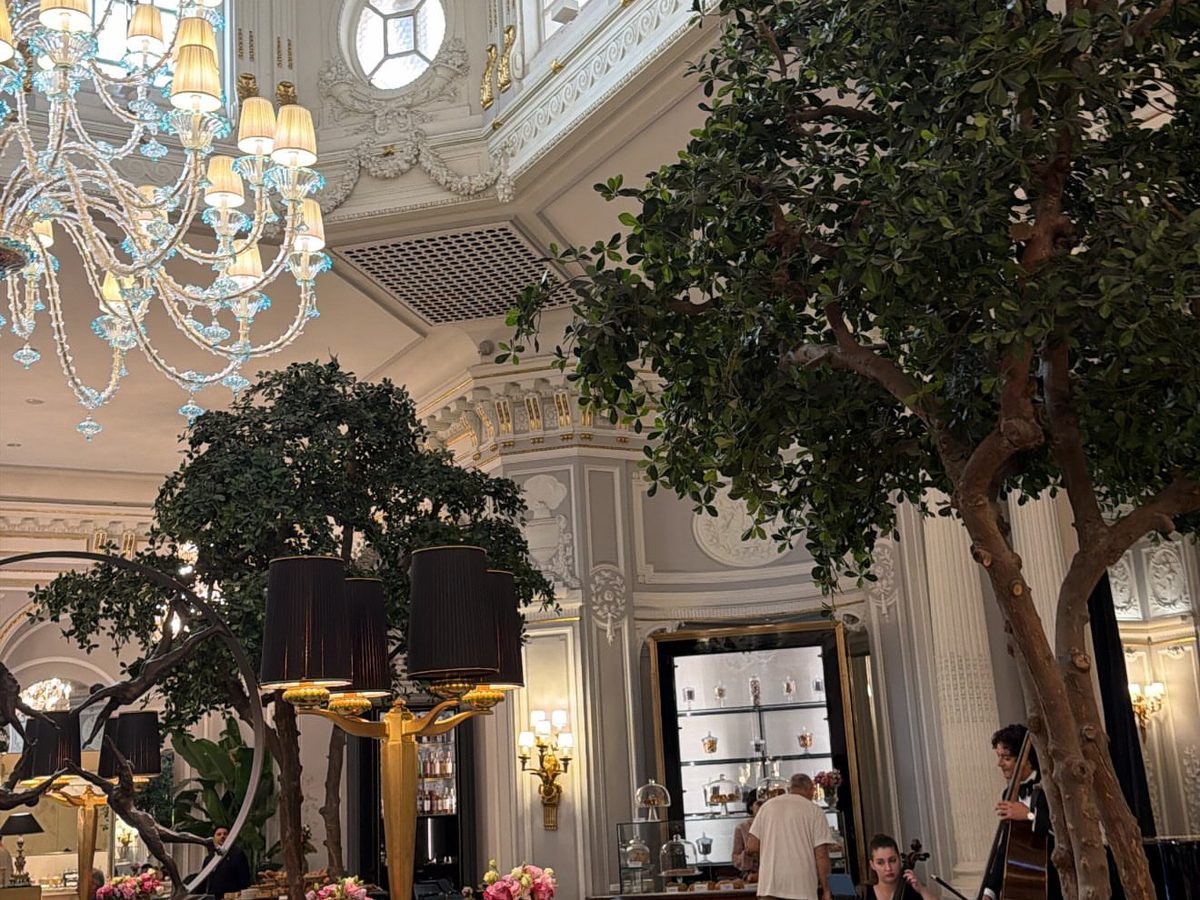
A place I enjoy coming back to changes the balance of exploration. The evening does not have to become another search for something impressive. I can spend time out in Rome knowing that returning to the hotel is an appealing part of the day too. That is especially useful on a solo visit, when the shape of the day is largely mine to decide.
Lumen works in that memory because I have enjoyed it at different times of day. Breakfast, lunch and dinner were separate occasions with different roles in the stay. For a new visit, the restaurant's current menus are a better guide to what is being served now than trying to reconstruct an old order. What carries across my visits is the pleasure of having a dependable place within the hotel.
That continuity also makes experimentation easier. I can return to a familiar base and change how I spend the hours beyond it. The accommodation does not have to change simply because I want a different kind of trip.
I would happily make room for another special car in Rome if the car were something I wanted to enjoy in its own right. I would also return to the simpler routine of exploring over several days. The first rental helped open up a wider interest; the repeated scooter trips deepened my attachment to this particular city. Those are both good reasons to travel, and I would choose according to which one I wanted this time.
Written from Robert's own stays. Where a detail is about a hotel today rather than my own stay, it links to the hotel's own page. Rooms, prices and facilities change, so confirm the details for your dates before booking. Planning a trip like this? Tell us about it.