Schgaguler was a really cool surprise. It is in Castelrotto, also called Kastelruth, in the South Tyrolean Dolomites. What I liked was how naturally the stay came together: go skiing, eat well at the hotel, then come back to a proper gym or spend time in the communal spa. It felt like a local place in a real town.
Our January 10–12, 2026 stay was in a one-bedroom apartment. The interiors were quite basic to me, but the accommodation had useful space: a separate bedroom, a full living room, a kitchen area and somewhere to sit outside. The meals and wellness facilities made a bigger impression than the room's decoration.
01The Schgaguler apartment and village life
The booking identified a one-bedroom apartment with a king bed and mountain view. That fits the practical layout I remember. There was room beyond the bedroom, and a local grocery shop gave us the option of buying things to prepare at our place. It made the stay feel less confined to a hotel room and restaurant timetable.
The current accommodation collection includes rooms and suites with different bedroom, bathroom and outdoor arrangements. The comparison relevant to our stay is the actual apartment layout: a separate bedroom, living room and kitchen. A larger-sounding suite name would not by itself establish that combination.
02Contemporary architecture in an Alpine town
The simple interiors are part of a broader design approach. Architect Peter Pichler's project description dates the reconstruction to 2018 and describes three connected building volumes that reinterpret traditional pitched roofs. The pale exterior takes its colour cue from Dolomite rock, while the interiors use materials including chestnut wood, local stone and textiles.
The design also responds differently to each side of the building. Deeper forms on the southern façade create shaded loggias, while the northern and eastern sides have a more restrained treatment. That is useful context for the hotel's appearance: the architecture is contemporary, but it draws its shapes and materials from the surrounding village and mountains.
The hotel's own account identifies Martin Schgaguler's mountain photographs throughout the shared spaces and describes the family role in the property. During our visit, the front desk also served as the concierge, with local knowledge that suited the setting. The experience felt personal and connected to the town.
The village and shared hotel spaces made the simple apartment work well. The contemporary architecture did not have to turn every private room into a showpiece; meals, wellness and help at reception supplied other reasons to enjoy being here.
03Half board at Schgaguler: breakfast and dinner
Every meal we had was good. Our rate was half board, covering breakfast and dinner. That worked well with a day spent out skiing and an evening back at the hotel, while leaving lunch to arrange separately.
The restaurant describes its cooking as a meeting of Alpine and Mediterranean influences, using seasonal produce and reworking regional dishes. Its wine selection emphasises South Tyrol, and the bar also highlights grappa from the nearby Plun farm. These are current descriptions of the offering, while my own recommendation comes from enjoying the meals during our stay.
The restaurant's wooden alcoves reinterpret the traditional local farmhouse living room, or stube. The bar has a fireplace and mountain-facing windows, giving the shared areas a purpose beyond checking in or waiting for dinner. For a trip organised around skiing and recovery, having appealing places to spend the evening is a useful part of the hotel choice.
There is no detailed dated food menu on the linked restaurant page. The useful expectation is the regional, seasonal approach and the half-board arrangement, with the actual dishes changing. Anyone with a particular dietary requirement should arrange that with the restaurant when reserving the meal plan.
04The Schgaguler spa and gym
There was a full gym downstairs and a really nice communal spa, with pools, sauna and steam room. Those facilities were a focal point for us. After skiing, there was a genuine choice between exercising more and simply resting.
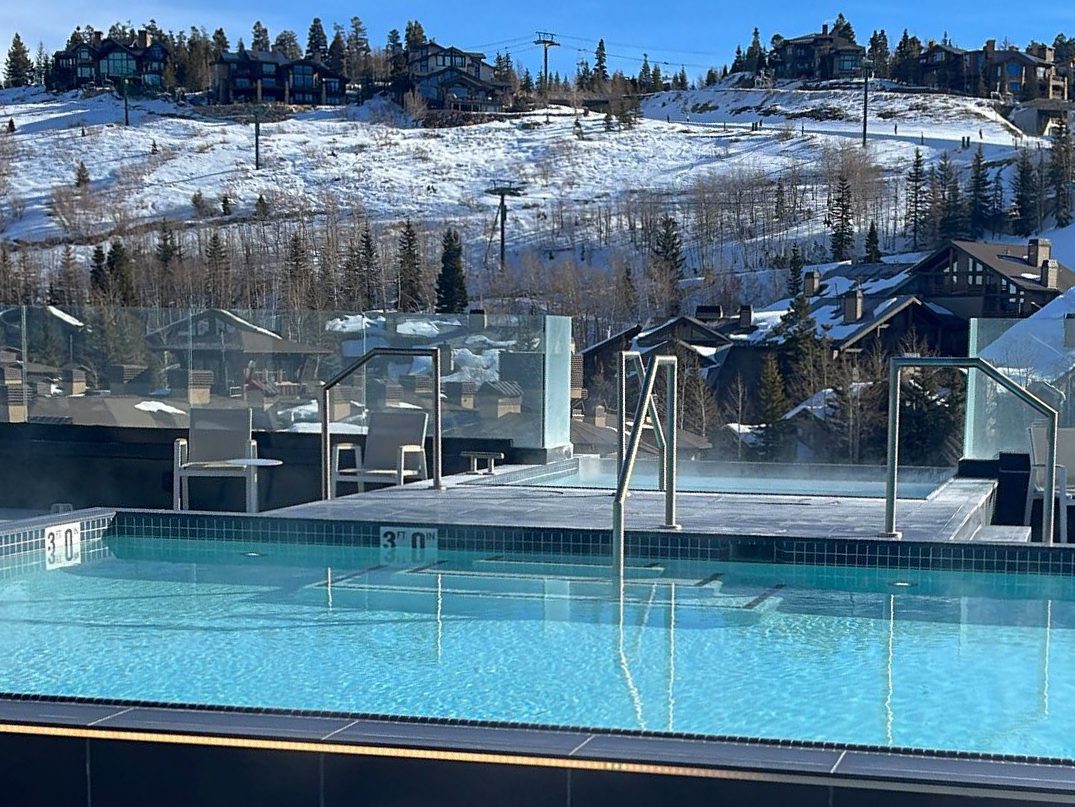
The current spa description fills in the layout: a 14-metre indoor pool with a counter-current feature, another pool with massage jets, and an outdoor whirlpool on the terrace. The heat facilities include Finnish and bio saunas, a steam bath and an ice room. The terrace whirlpool is accessible from both the wellness area and the bar.
There is also a separate treatment list, including head-and-neck, foot-and-leg and sports-style massages, plus facials and body treatments. That lets a guest add an appointment to time in the communal facilities, rather than treating every spa visit as necessarily involving a paid treatment.
For me, the strength was the combination. A simple apartment was entirely compatible with an enjoyable stay because the hotel offered good places to eat, train and relax around the mountain day.
05Getting to the skiing from Castelrotto
The nearby bus made reaching the skiing easy during our visit. This is a village base with access to the slopes, rather than a promise that you can ski directly out of the hotel.
The hotel's ski information describes nearby bus access to the Alpe di Siusi lifts, help at reception with ski passes and rental equipment, and organised ski outings. It also places Val Gardena within reach for a different skiing day. The reception team can help match the day's plan to the lift network and the group's preferences.
For current transport details, the regional tourism board's bus guide is useful because ski passes and bus tickets are not interchangeable. Some winter shuttles require tickets supplied by participating accommodation, while public routes and the Seiser Alm Express use different arrangements. Confirm the actual route and ticket for the dates of your visit, rather than assuming a lift pass covers every bus.
For a non-skiing day, the hotel also advertises guided winter walks and snowshoe outings, organised around conditions. Castelrotto itself has a historic centre with painted façades and a prominent bell tower. That gives a mixed group options beyond spending every day on downhill skis.
06Give the journey home more room
The drive from Milan was long, and we left at about 3:30 in the morning to drive back to a Milan airport on the day of our flight. I would recommend planning more breathing room than that.
The hotel's arrival guide also describes rail access through Bolzano or Bressanone, followed by local transport. The best arrangement depends on the wider trip, but the airport journey deserves its own planning rather than being squeezed onto the end of a ski holiday.
Schgaguler's appeal for me was clear: good meals, an easy skiing routine, strong shared wellness facilities and a local village feel. The accommodation was simple, and the overall experience was a very pleasant surprise.
Written from Robert's own stays. Details about today's rooms, dining and facilities link to the hotel's own pages and were checked in November 2026. They can change, so confirm them before booking.