Home · Destinations · Alps & Zurich
French Alps · Zurich
Alps & Zurich: Two Different Stays
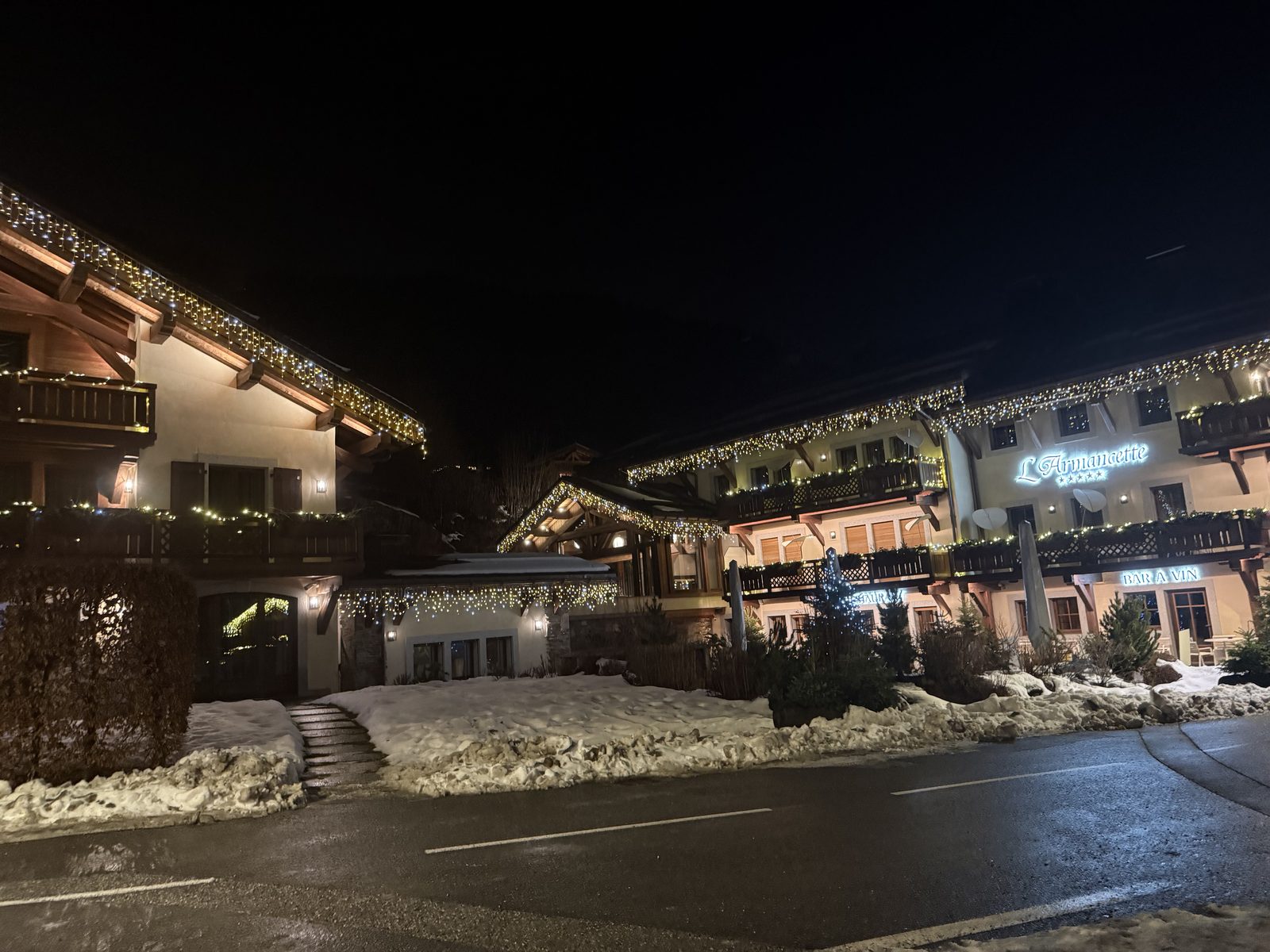
Armancette and The Dolder Grand give me two very different reasons to stay near the Alps. At Armancette, I want the village, the mountains and the room’s fireplace and terrace. At Dolder, I want Zurich within reach and a hotel substantial enough to occupy time of its own. They can complement a wider trip, but each deserves time for what it actually does well.
Start with the trip
Village life and the city’s wooded hillside
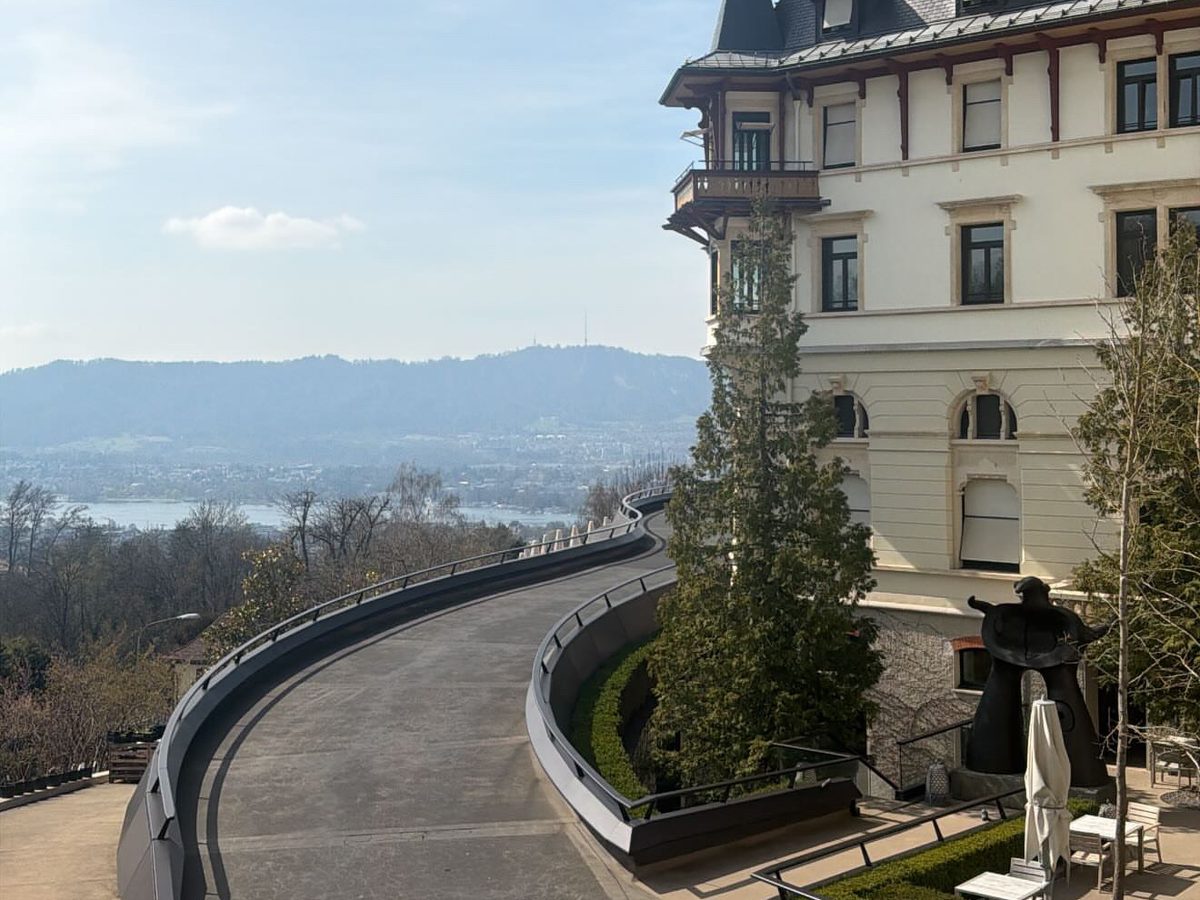
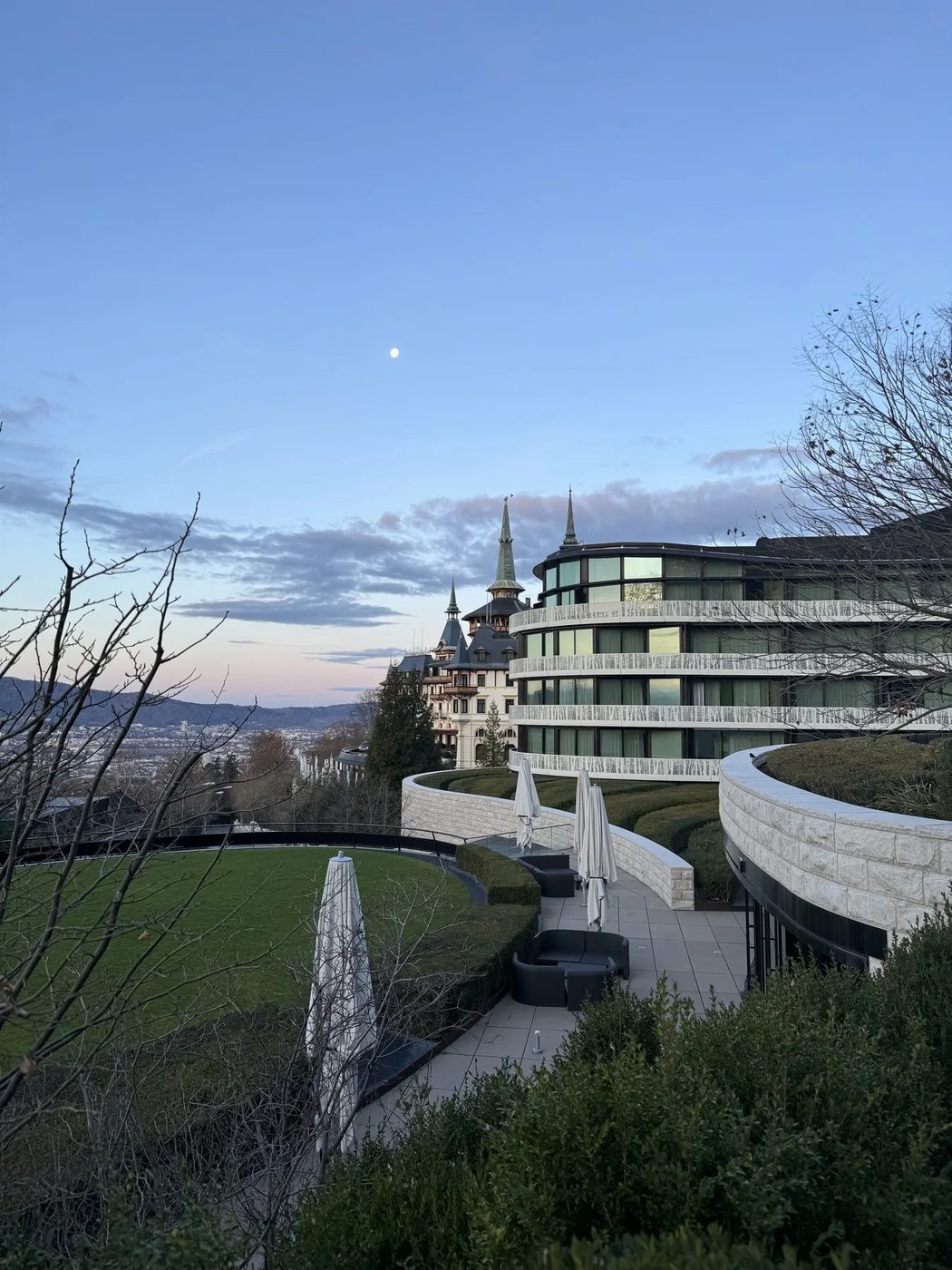
Saint-Nicolas-de-Véroce and Zurich are different starting points for a day. Armancette places you in a small French mountain village. Dolder sits above a Swiss city, on the wooded Adlisberg. The important question is what you want immediately outside the hotel: village streets and a mountain outlook, or a retreat from a city you still intend to use. A beautiful view can appear in either booking. The surrounding life will be very different.
The Saint-Gervais tourism guide describes Saint-Nicolas through its chalets, church and views towards the Dômes de Miage and Bionnassay. That puts a more precise picture around Armancette than simply calling it an Alpine hotel. You are choosing the scale of a village at the foot of the Mont-Blanc massif. Someone who wants a large resort’s shopping and evening activity should weigh that scale before falling for the room photographs.
Zurich offers a different division of time. Staying centrally would make repeated short trips back to the room easier. Dolder asks you to enjoy some separation, with grounds, art and wellness above the centre. I have enjoyed the property enough for that separation to be worthwhile. If I were filling every morning and evening with commitments in town, I would assess the address differently. The hotel earns its position when there is room in the schedule to return and use it.
Armancette works when there is time for the village
Armancette is a major favourite of mine. I love the Suite Mont-Blanc, particularly its fireplace and terrace. Those are useful parts of the room: places to sit together, look out and enjoy the return from whatever brought you outside. I care about that on a mountain trip. An excellent room can make a quiet evening feel complete without requiring another reservation or a reason to leave again.
The bakery and tea room give the stay a smaller, everyday pleasure. I have enjoyed spending time there. They fit the village setting better than a hotel experience built entirely around formal meals, and make a coffee or something from the bakery worth lingering over. That ease is part of why Armancette stays distinct in my memory alongside larger mountain properties. There is room for an ordinary morning inside a very expensive trip.
My enthusiasm has limits. The gym is small, though useful, and I found the massage pressure too light. The communal wellness spaces were worthwhile, but a favourite suite does not make every treatment excellent. If a substantial gym or strong massage is central to your holiday, those details deserve weight alongside the fireplace. The hotel’s own information is useful for comparing its facilities with the scale of the stay you have in mind.
For winter, I would settle the start of the ski day before choosing the room. Where does the lesson meet? How do you reach it with equipment? What happens when one person wants to stop earlier? Those decisions determine whether a small village base suits the group. I would not turn Armancette’s mountain setting into an assumption of ski-in/ski-out access. My luxury ski hotel essay goes further into the practical services that can make an expensive stay feel easier.
Outside winter, the village has another purpose. Saint-Gervais describes walking routes and mountain biking around Saint-Nicolas, with forest and Alpine pasture landscapes. That makes a different kind of stay possible, but it also changes what to ask of the hotel. A walking day needs a suitable route and somewhere rewarding to return; it does not need the same lift and equipment arrangements as skiing. I would choose the season for the activity I want, then give the terrace and village enough time to be enjoyed.
Zurich · city stay
Dolder makes the hotel a Zurich destination
At The Dolder Grand, art, breakfast, the spa and gym have all contributed to stays I have loved. Breakfast is particularly worth allowing time for. I do not want to hurry through a hotel I chose partly because it offers a good morning. A workout, treatment or time with the art can give the property a substantial place in a Zurich visit without using up the whole day.
Its architecture helps explain that identity. The hotel’s history begins in 1899, as a retreat on the Adlisberg with a connection to the city. The restored historic building and Foster’s modern wings came together for the 2008 reopening. That combination gives Dolder two architectural characters within one address. I prefer the modern side; the contrast is a useful reason to compare an actual room’s layout and outlook rather than choosing from the category name alone.
The wellness experience is stronger for me here than at Armancette. I have had very good massages at Dolder, including returning to the same therapist, and liked the gym and trainers. That matters when comparing these hotels because I use those spaces. Someone whose Zurich plans leave no time for them may receive less value from the hillside setting. For a wellness-focused booking, the full review also links the hotel’s staged 2027 maintenance notice so that the facilities central to the trip can be checked against the dates.
Hotel transport has helped connect my stays with the city. On an earlier visit, I also used a guest BMW to drive to St. Moritz and back. That was a memorable extension of what the hotel made possible. My separate inquiry about skiing at Oberiberg remained a planning conversation. I would choose Dolder as a Zurich hotel first, with a particular drive as an additional outing, rather than treat it as a substitute for staying in a mountain resort.
Put the pieces together
Connecting Zurich without driving everywhere
Zurich Tourism’s Zürich Card information includes the Dolderbahn, city transport and airport-to-centre travel. It also covers specified lake and river boat trips and travel to Uetliberg, within the stated second-class network. Those connections suggest a different way to arrange a city day: reach the centre, spend time around the water, and return to the hillside without making a hotel vehicle responsible for every movement.
I would compare the card with the journeys actually planned. A day mostly at Dolder makes fewer demands on transport than repeated city outings; a trip beyond the covered zones needs a different ticket calculation. The useful point is having alternatives. A borrowed car suited my St. Moritz drive, while Zurich’s public network offers a way to keep the city part of a hillside stay. The convenience comes from matching the journey to the day.
For a wider trip, I would put the two hotels on the Travel Map before deciding they belong in the same itinerary. My Geneva-to-the-Alps story addresses a different approach to the French mountains; Zurich should have a reason of its own to be included. I would rather have enough time for Armancette’s village and Dolder’s city connection than reduce either to a late arrival and an early checkout.
Start with your dates and priorities
Plan an Alpine or Zurich stay
Tell us whether you are planning a mountain stay, a city stop or a wider trip that connects them.