Home · Destinations · Utah
Utah · Mountains and desert
Utah: Deer Valley and the Desert
Goldener Hirsch and Amangiri belong to very different Utah trips. In Deer Valley, I valued the residential space, excellent gym and heated winter pool. At Amangiri, the architecture’s relationship with the desert was the exceptional experience, at an exceptionally high price. The distinction is geographic as well as stylistic: Park City’s mountain setting and Canyon Point are not neighbouring versions of the same resort day.
Mountain stay
A residence changes the Deer Valley routine
My Goldener Hirsch experiences include one- and two-bedroom residences in the newer accommodation wing. I remember living space, a kitchen and room to spend time together without making the bedroom serve every purpose. That is a substantive difference from choosing a traditional inn room. Extra space matters most when it gives the party a usable shared routine, not when it appears only as a larger number on a floor plan.
The older inn and newer residences offer different versions of the property’s Alpine identity. The inn supplies a more traditional hotel setting; the residences give a group greater independence. The current accommodation pages are useful for seeing how a particular layout divides bedrooms and living areas. I would compare the dining table and shared space alongside the bed count. A group can have enough beds and still find there is nowhere comfortable to gather at the start or end of the day.
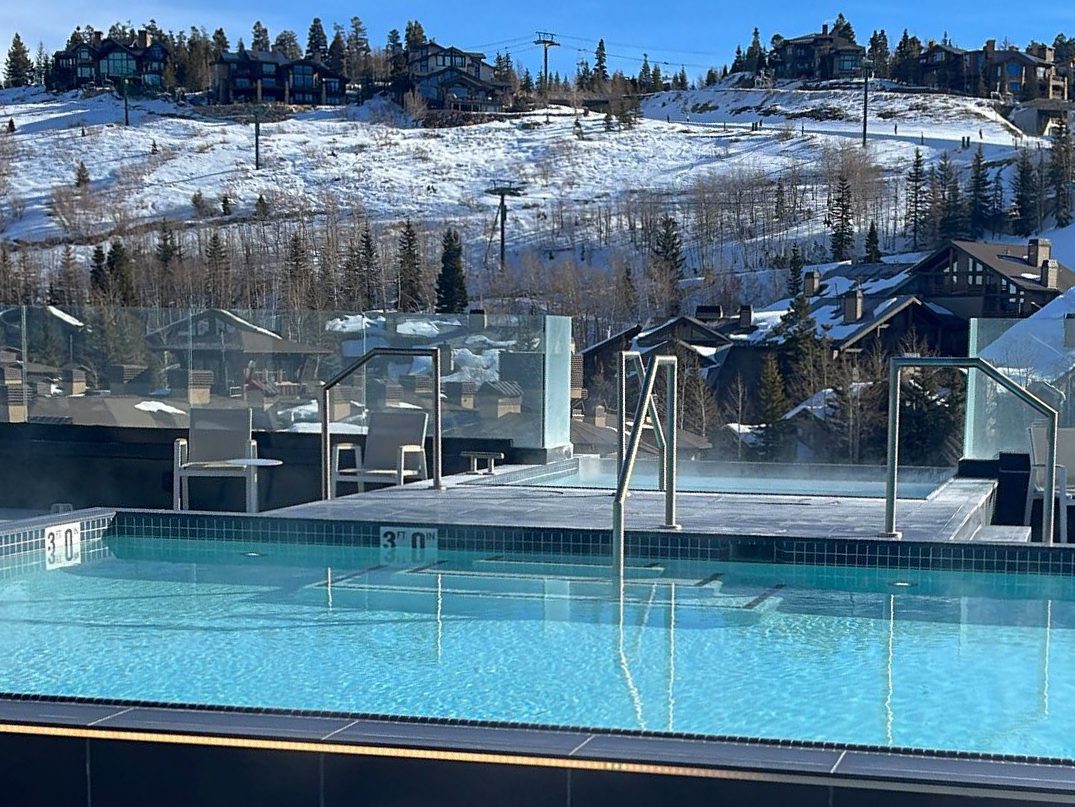
I liked the excellent gym and heated winter pool. They gave the hotel a role after skiing rather than leaving the whole evening to the room or a restaurant. For travellers keeping different routines, that distinction is meaningful: one person can want a workout while another wants the pool or time in the residence. The property does not have to supply a new activity every hour to make those repeated parts of the holiday work well.
The hotel’s restaurant is another way to use the inn without giving up the residence’s flexibility. An Alpine-style dinner and an easy evening in the accommodation are different options. A kitchen need not mean cooking every meal; it can simply make breakfast, drinks or an unstructured evening less dependent on restaurant service. That is the practical attraction of the residential side for me, rather than a claim that every trip needs the largest available unit.
A separate trip
Amangiri is a landscape-led occasion
Amangiri gave me an exceptional relationship between the room, pool and surrounding desert. The architecture and the landscape are the point. I think it is worth experiencing once, while keeping the very high price firmly in the recommendation. Calling it special is not the same as calling it good value, and neither judgment needs to cancel the other.
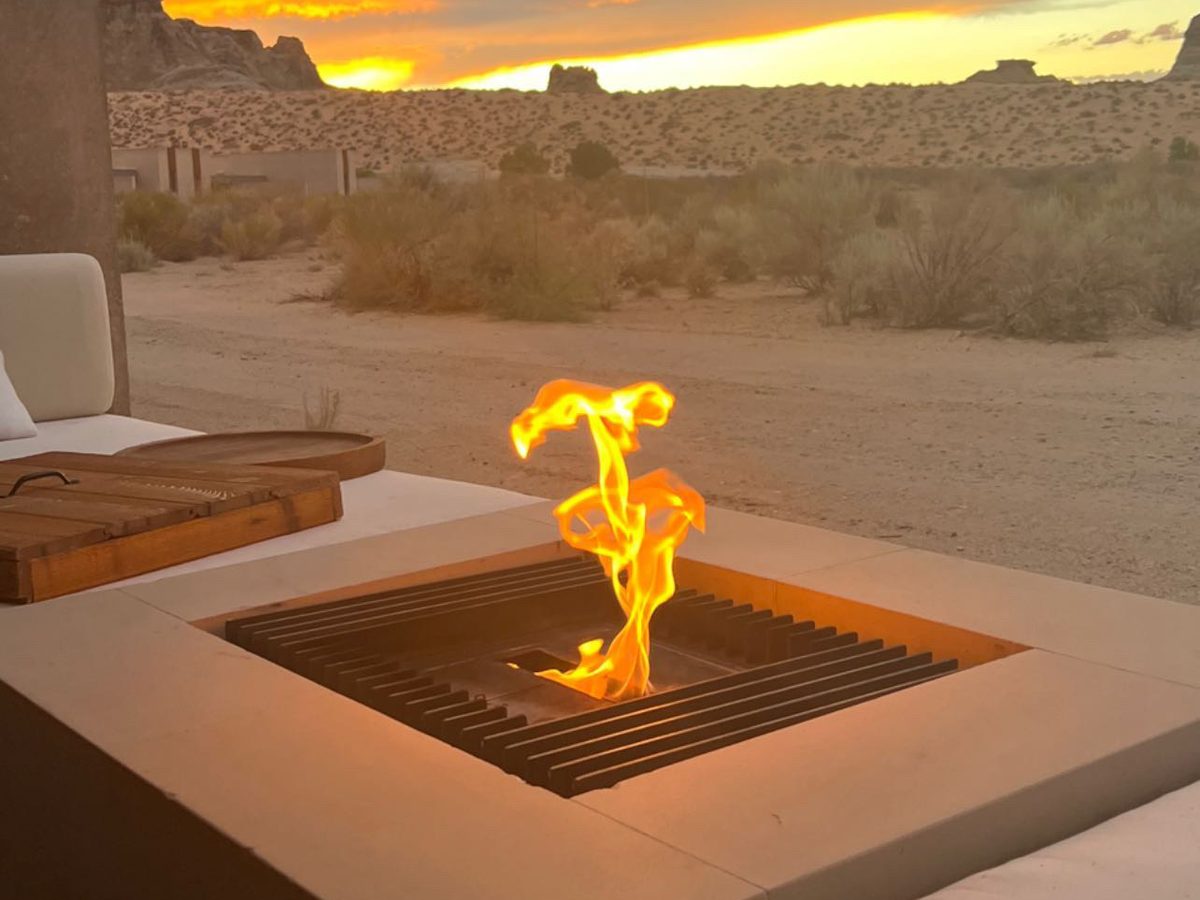
Inside my room, the furnishings sat low enough that the desert remained the dominant view. The bed stood away from the wall, with a desk behind it, and there was a private fireplace. Those choices gave the room different places to sit and look out without filling the foreground. That is what makes the design more than an attractive minimalist photograph for me. The room directs attention towards its surroundings through its arrangement, just as the pool’s curve makes the rock formation part of a shared space. A larger room somewhere else would not necessarily produce the same relationship with the place.
The resort’s location and design place the stay at Canyon Point in southern Utah, near the Arizona border, rather than within a mountain town. The buildings’ restrained forms make the rock and open surroundings visually dominant. The famous pool is compelling because of that relationship: a built place for stillness set against a landscape much larger than the hotel. It is a different appeal from a ski resort whose facilities support an active route through a town and mountain.
Dining supported that concentrated stay: I ate at the resort and remember all three daily meals as included. The current suite offering lists breakfast, lunch and dinner for two, excluding alcohol. That gives the daily rate a different shape from accommodation followed by a separate decision about every ordinary meal. Private dining and special experiences remain different purchases. Inclusion did not make Amangiri inexpensive, but it helped the hotel function as a complete place to spend the two nights rather than as a room from which I had to organise another restaurant itinerary.
My strongest argument for the stay is therefore the complete relationship among room, pool, meals and landscape, not an ever longer list of excursions. I would leave time to enjoy that architecture rather than use possible outings to justify paying for it. The very high price still prevents this from being an automatic return for me. A once-worthwhile experience and a sensible regular holiday purchase are different judgments, and Amangiri is an unusually clear example of the distinction.
Choose one trip at a time
Deer Valley’s expanding map needs a named starting point
Deer Valley remains a ski-only resort. Its Expanded Excellence programme describes a phased enlargement, including East Village access from U.S. Route 40 and further 2026/27 terrain and lift plans. That matters to someone returning with an older mental map: a larger ski area does not mean every new base, service and connection is interchangeable or already operating on the intended date. The programme’s dated information is more useful than treating a total acreage figure as the whole story.
East Village creates a different road approach from arriving through Park City. For day skiers, that can change the relevant parking and access plan; for an overnight guest at Goldener Hirsch, the chosen accommodation’s own connection remains the starting point. A newly promoted entry to a ski area is not automatically the best meeting place for everyone staying elsewhere around it. Lessons, rental collection and the first lift should form one workable sequence.
Ski-only access also makes the composition of the party consequential. A snowboarder cannot treat Deer Valley as equivalent to every neighbouring mountain, while mixed skiing abilities may need different lesson and terrain arrangements within it. The value of the residence is strongest when its space supports that actual group and its schedule. Bedrooms, storage and shared breakfast space are useful because people repeat those routines each morning, not merely because they are attractive features in isolation.
For Canyon Point, the organising questions are different: the desert setting, the rate and enough time to enjoy the property. I would keep that decision separate from the mountain accommodation rather than turn the state name into a reason to combine them hurriedly. These two stays show different things a hotel can add to a place: Goldener Hirsch supports a winter routine; Amangiri makes the architecture and landscape themselves the occasion.
Further reading
Read the experiences behind the choices
Start with your dates and priorities
Plan a Deer Valley or Utah desert stay
Tell us whether you are thinking about a ski stay, a desert retreat or a separate trip to each.