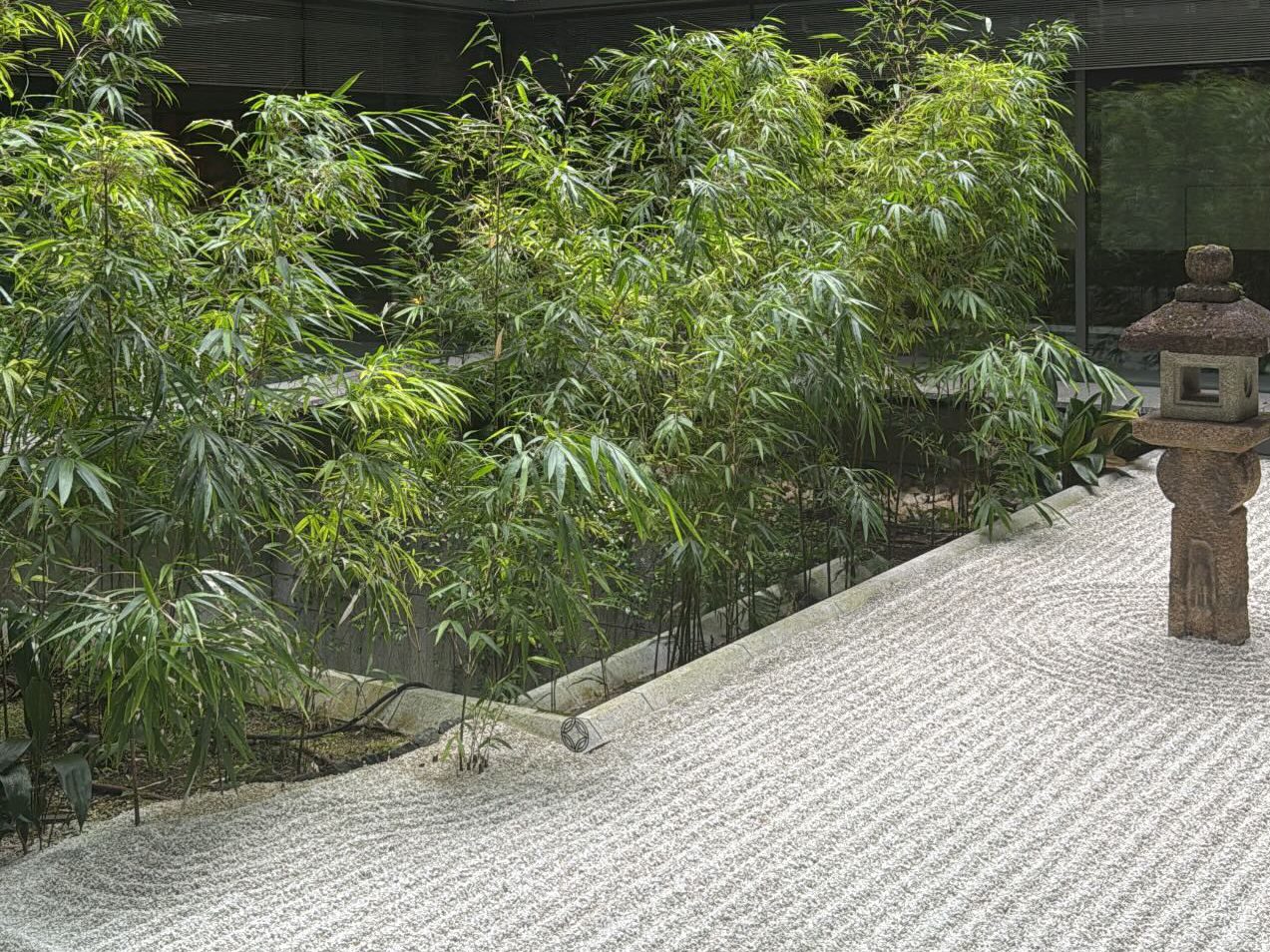
The Ritz-Carlton, Kyoto is one of the city's top hotels in my view. I liked the combination of a modern hotel, a central location, good dining and wellness facilities that felt worth using. It was simply a beautiful place to stay.
Complimentary bicycles were a particularly useful detail during my visit. They added a different way to approach the city and made the hotel feel connected to the experience beyond its doors. I would check the current bicycle arrangements before booking, but it is a feature I remember positively.
Our April 2–4, 2025 reservation was for a Deluxe King Courtyard View room.
The bicycles and spa supported different parts of the same stay: exploring Kyoto and enjoying the return. The restaurant formats add another reason to spend some time inside. That balance is the meaningful attraction, rather than the sheer number of facilities.
01Rooms and river views
The current room collection separates courtyard-facing Deluxe Kyoto rooms from larger Grand Deluxe Kamogawa rooms with river views and a sofa bed. That changes both outlook and indoor use, rather than merely the room’s name. The private river view is a different purchase from access to the riverbank outside. Someone intending to spend unhurried time looking out from the room may value it differently from someone mainly using the hotel between city outings. Selected terrace suites add another arrangement again; the published floor plan makes that outdoor space a concrete comparison.
I thought the hotel was centrally located. For me, the value of that is flexibility: being able to plan a day in the city without feeling that every departure from the hotel requires a major effort.
The current hotel information identifies bicycle rental among its amenities, along with dining, a fitness center and an indoor pool. Those facilities support the sort of stay I would want here, with time out in Kyoto and time to recover at the hotel. The Ritz-Carlton, Kyoto
The Japan National Tourism Organization’s Kamo River guide gives the location more substance. Riverbanks used by walkers, joggers and cyclists create public space through the city, with stepping stones at some crossings. The water can be an organising feature of a Kyoto day rather than only a hotel view. That makes the central position useful without assuming every temple, museum or neighbourhood is within a short walk.
Pontocho and seasonal outdoor dining platforms are other parts of the tourism authority’s river account. They show how the river belongs to evenings and everyday recreation as well as sightseeing. The guide even notes Kamo River stones used in traditional raku-pottery glaze, a small connection between landscape and the city’s material culture. Those are reasons the setting has more character than an interchangeable waterfront.
The riverfront is a useful centre, not a substitute for choosing a district. Kyoto’s city tourism office places Fushimi in the south, where the old river port and sake-brewing neighbourhood create a different outing from Saga and Arashiyama, northwest of the city, with the bamboo grove and Togetsu-kyo Bridge. For another short stay, I would give one of those areas its own time rather than treat it as another stop on a walk from the hotel. Returning to the central riverbank then becomes part of the rhythm: the hotel can be a comfortable point of return without pretending the whole city sits outside the door.
02The Ritz-Carlton Kyoto spa and pool
I remember the spa and bathing facilities warmly, including a steam room and sauna. They were a meaningful part of my impression of the property, rather than a facility I mention only because it appears on the website.
The hotel lists an indoor heated pool and La Prairie Spa: substantial urban wellness facilities, rather than a promise of a natural hot-spring onsen. That is consistent with the steam room and sauna I enjoyed. Current spa, fitness and pool information
03Restaurants at The Ritz-Carlton, Kyoto
I thought the restaurant was great, and I appreciated having café options too. Alongside the spa, that gave me another reason to enjoy time at the hotel. It was a place I liked being in, as well as a useful base for Kyoto.
On a return, I would leave some meals at the hotel and some for the city. The hotel's dining page links to the individual restaurants and their menus for planning that balance.
04Choosing the kind of hotel meal
As checked in November 2026, the hotel lists Mizuki's regular service as closed on Tuesdays and Wednesdays. La Locanda's lunch and dinner schedule is different, with no Monday service and no regular Sunday dinner. Those distinctions matter on a two-night itinerary like ours.
The present dining lineup makes it possible to be more specific about planning a return. Mizuki contains four distinct Japanese dining formats: kaiseki, sushi, tempura and teppanyaki. Choosing “Mizuki” is therefore only the first step. A sushi counter, a seasonal sequence of kaiseki dishes and a meal built around grilled beef or seafood have different rhythms and appeal.
The November 2026 Mizuki menu lists the lunch-only Shisen kaiseki at ¥9,000 including tax and service, moving through seasonal starters, soup, sashimi, fish, rice and dessert. The sequence explains the format more usefully than a long ingredient list. Special holiday courses are separately announced for December 24–January 4.
La Locanda's menu offers an Italian alternative using Japanese ingredients. Current lunch examples include an ¥8,500 Oro course and a ¥12,500 Platino course; the latter lists local fish, oxtail rigatoni, a fish main, beef and a Pierre Hermé dessert. The page separately provides vegetarian and gluten-free menus, which is useful for a group with different dietary requirements. Those are starting points for a reservation discussion, not a promise that every dish can be adapted without notice.
The restaurant's private dining spaces add a historical dimension to the modern hotel. Ebisugawa-tei incorporates the restored former residence of industrialist Denzaburo Fujita, built in 1908. It offers a way to combine Italian food with a distinctly Japanese architectural setting. I would consider that for a small celebration rather than assume every table in La Locanda has the same setting. Restored domestic architecture within a modern hotel gives a meal a different setting without requiring the whole overnight stay to mimic an old house. That contrast is part of the appeal of this property’s contemporary approach to Kyoto.
For something less involved, the hotel dining directory also lists the Lobby Lounge, a bar and the Pierre Hermé boutique. That gives a day at the hotel options between a full restaurant meal and leaving immediately for the city. My own positive impression of dining supports leaving time for a hotel meal; the published menus help decide which meal that should be now.
05Who I would recommend it to
I would recommend the Ritz-Carlton to someone wanting a modern Kyoto base with a serious role in the day: bicycles helped me explore, and the spa, dining and room made returning appealing. That balance of city and hotel is why it remains one of Kyoto’s strongest options in my experience.
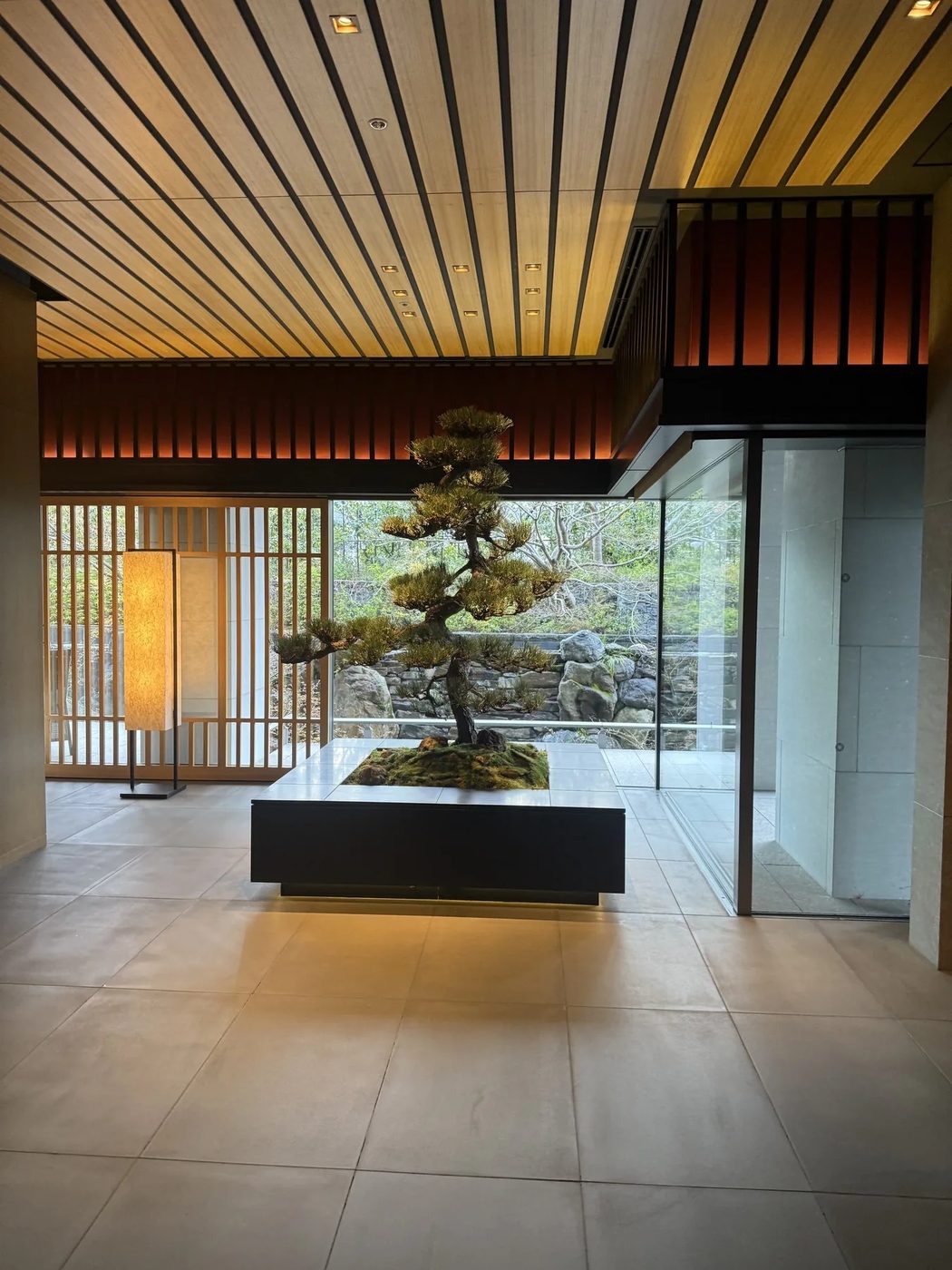
Written from Robert's own stays. Details about today's rooms, dining and facilities link to the hotel's own pages and were checked in November 2026. They can change, so confirm them before booking.