Home · Destinations · Japan
Japan · Tokyo, Kyoto and Osaka
Japan: Tokyo, Kyoto and Osaka
My Japanese hotel notes now cover Tokyo, Kyoto and Osaka, with very different reasons to choose a base. Janu’s gym and Amy’s breakfast were standouts; the Toranomon EDITION had an excellent private terrace but would not be my repeat choice. Kyoto’s Ritz-Carlton and W Osaka connect with their cities in different ways, while Imperial and a breakfast-only Aman visit add other perspectives.
Three cities, different priorities
Start with the district, not a national hotel formula
Tokyo’s corporate Toranomon setting, Azabudai Hills around Janu and Osaka’s Shinsaibashi streets do not produce the same city day. Kyoto’s Kamo River adds another organising feature. A good room can matter at all of them, but the immediate surroundings decide whether walking, dining nearby or returning to substantial hotel facilities is the easiest way to use the stay. The Japan National Tourism Organization provides current regional context beyond these personal hotel accounts.
These are also different kinds of experience. I stayed at the hotels discussed below except Aman Tokyo, which I visited for breakfast. That meal is useful as an example of enjoying a hotel without sleeping there, not as a substitute for an overnight review. It sits beside the others because choosing where to eat and choosing where to stay need not be the same decision.
Hotel review
Kyoto: the river gives a modern hotel a city connection
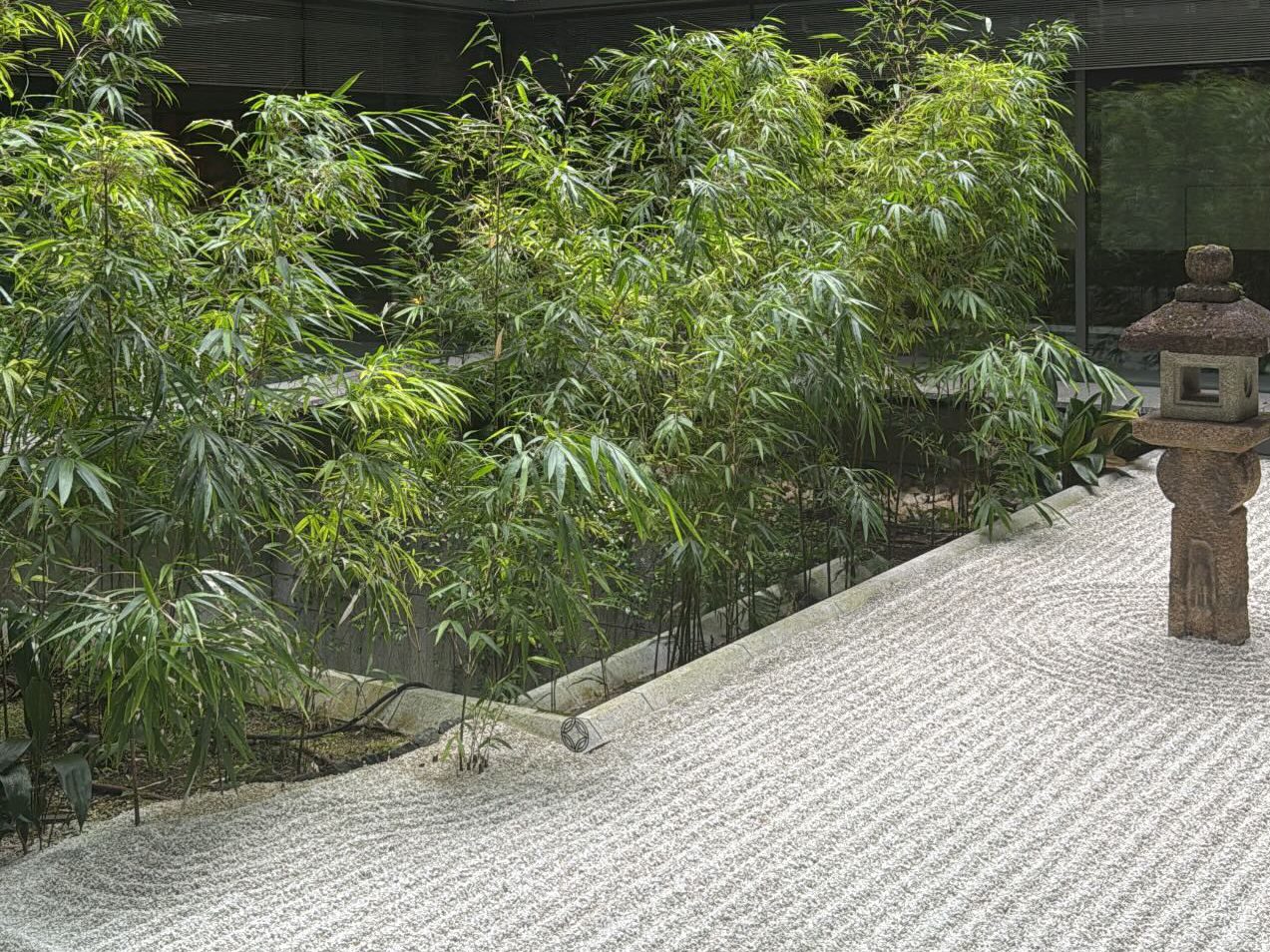
At The Ritz-Carlton, Kyoto, I liked the modern design, dining, central position and wellness facilities. The bicycles were especially useful. The steam room and sauna were part of a spa experience I enjoyed; that should not be turned into a claim about a natural hot-spring bath. The attraction was having both city access and facilities worth returning to, rather than requiring one to compensate for the other.
The Kamo River runs through Kyoto and provides public riverside space used by walkers, joggers and cyclists. Pontocho’s restaurants and the stepping-stone crossings are part of the tourism authority’s account of the river. That gives the hotel’s setting a practical dimension: the water is an orienting line through the city, not only a picturesque outlook. It does not make every Kyoto sight an easy walk, but it helps explain the appeal of a central riverside base.
For my stay, the combination of hotel bicycles and enjoyable wellness facilities gave the day two kinds of flexibility. I could spend time out in Kyoto and still value returning. The lesson is not that all historic cities call for a traditional-style hotel. A contemporary room and good facilities can be very useful when their position connects them to the place rather than removing the visitor from it.
Hotel reviews and a breakfast-only visit
Tokyo: three stays with different strengths
Janu Tokyo is a strong recommendation if the rate fits. I remember a huge gym, trainers, almost every machine I wanted, attentive service and thoughtful room details. Amy particularly liked the Japanese breakfast. The atmosphere could feel formal, edging towards stuffy, but I did not leave with a major complaint. The gym is a genuine reason to choose the hotel rather than a minor amenity to check off.
Janu’s 4,000-square-metre wellness complex includes considerably more than the equipment floor: pools, studios and treatment facilities are distinct parts of it. Azabudai Hills supplies shops, courtyards, galleries and dining immediately around the hotel. That combination suits someone wanting substantial time inside without treating the surrounding district as merely the place where the driveway ends. Specific classes and spa sessions remain separately arranged choices.
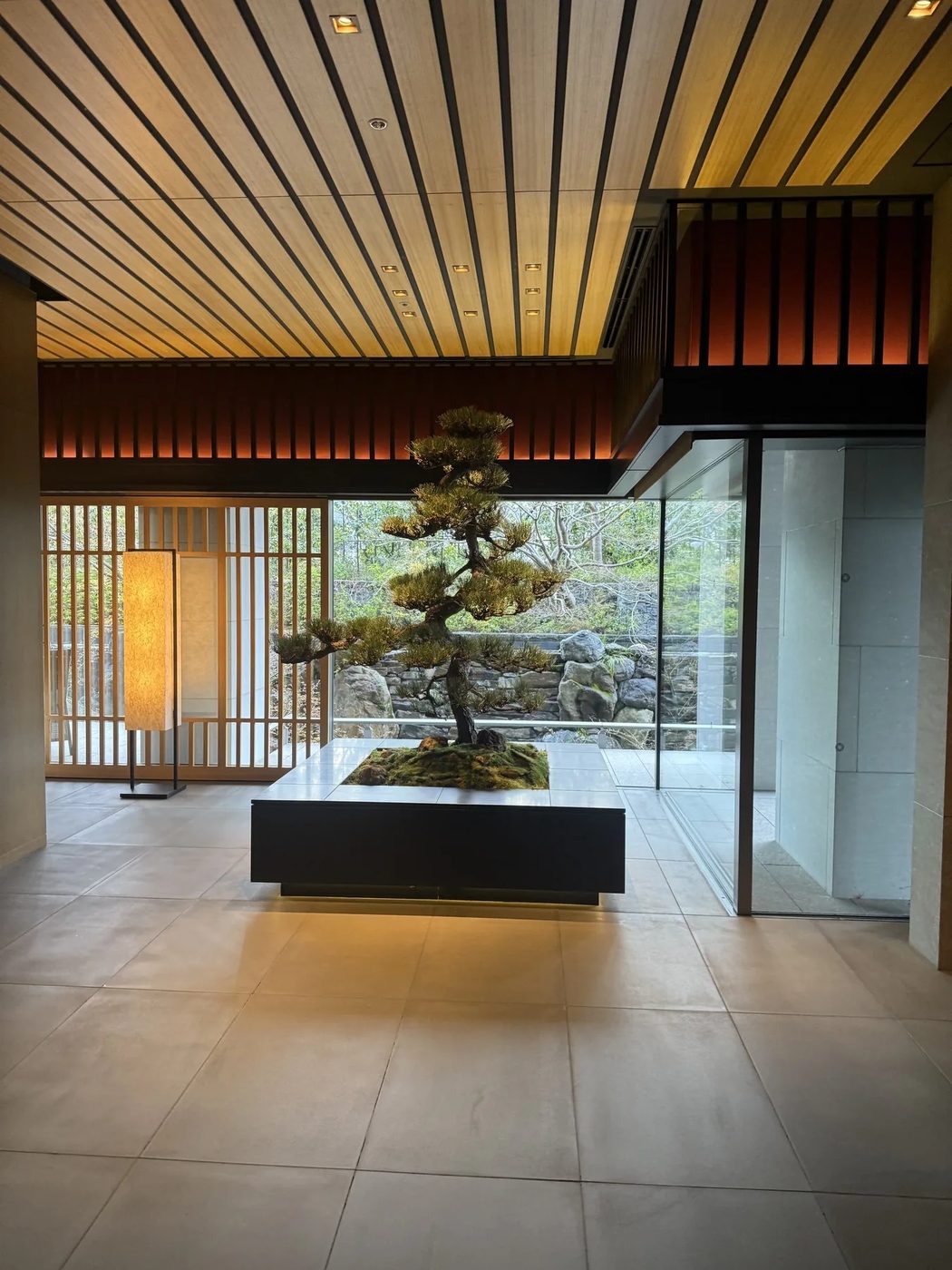
At The Tokyo EDITION, Toranomon, the spacious room and excellent private terrace were the highlights, with helpful concierge service and a small but good gym. The business-district setting was less persuasive to me, and I would try another Tokyo hotel next time. That is a measured preference rather than a claim that the stay had no strengths. A particularly good room does not automatically make the surrounding district the one I would choose again.
The current dining directory now describes the Jade Room’s Wagyu-steakhouse concept. Its Garden Terrace is seasonally closed from November 9, 2026 until spring 2027; that restaurant space is separate from my guest-room terrace. Someone choosing the hotel for a current meal should use the restaurant’s own information rather than older introductory French-dining descriptions.
Imperial Hotel Tokyo gave me an enjoyable stay, a grand lobby and a memorable buffet, with rooms whose style and features felt older. My “more four than five” impression is personal, not an official star classification. The hotel’s buffet history, traced to 1958, gives context to that longstanding dining tradition without assigning a formal restaurant name or dishes to my meal.
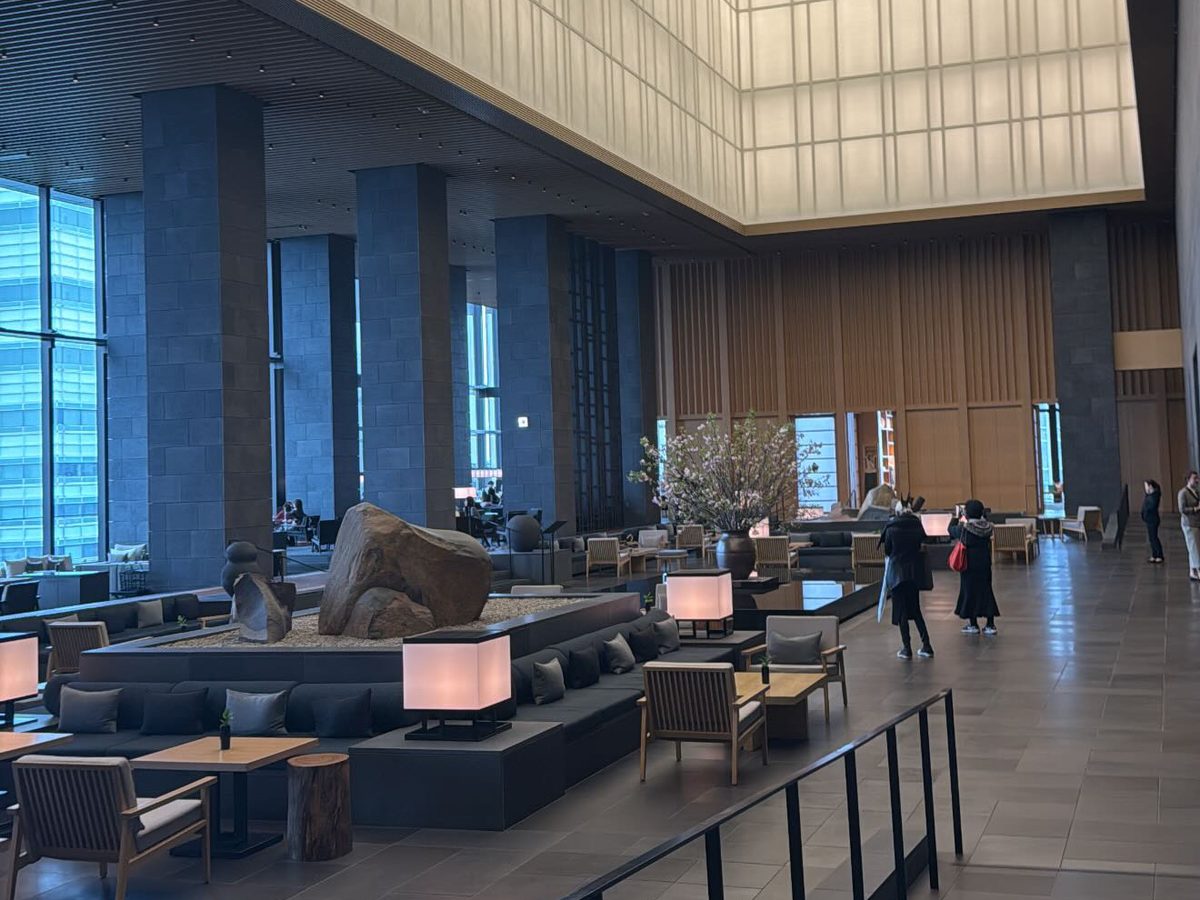
At Aman Tokyo, welcoming staff, a quiet high-floor corner, the outlook and a broad menu made breakfast memorable; I also liked the gift shop. It gave me a reason to want an overnight visit in future. The architectural setting can make a morning meal an occasion of its own, while Janu’s full stay gives me a much firmer basis for recommending a room and gym.
Hotel review · Osaka
Osaka: a walkable base with a service criticism
W Osaka gave us a huge suite, sweeping city views, a good gym and a location that made exploring fun. We walked and took a long ride on the electrically assisted fat-tire bikes; the rental was charged. The spa-package conflict was the disappointment, and I did not feel its handling was properly resolved. A strong room and a convenient location do not remove that criticism.
The hotel’s neighbourhood reporting places it on Midosuji in Shinsaibashi, with shopping and Dotonbori’s dining and nightlife nearby. That explains a different kind of appeal from a remote resort: the immediate city supplies much of the day’s pleasure. W’s dark exterior and colourful interiors are a distinct hotel identity within that setting, rather than a reason to remain indoors throughout the visit.
Hotel time and city time
Let the repeated parts of the day decide
The strongest comparisons here are specific: serious gym time at Janu, an excellent private terrace at Toranomon, a riverside base with bicycles and enjoyable wellness in Kyoto, and a room with a walkable city setting in Osaka. Imperial’s older style and enjoyable buffet belong in another part of that picture. I would choose through those actual priorities rather than expect the same atmosphere or daily routine from every high-end hotel in Japan.
The Travel Map keeps the city and hotel associations visible, while the full reviews give the fuller criticisms and current sources. The hotel should improve the way the visit is spent, whether that means an early workout, breakfast worth allowing time for, or a comfortable return after exploring. Those are more durable reasons to choose than treating a suite name or a brand as a complete description of the stay.
Start with your dates and priorities
Plan a trip to Tokyo, Kyoto or Osaka
Tell us which city you are planning, where you want to spend the night and which hotel facilities matter to you.