I really liked the Imperial Hotel Tokyo. It is an older style of luxury: in terms of how the stay felt to me, closer to four-star than five-star, but still a hotel where I had a good time. The grand lobby and a particularly enjoyable buffet meal were highlights, and I left with a positive impression of the stay.
The room was fine, with no major downside. It felt as though it had been very well equipped for its era, but that era was closer to the mid-2000s than the newest generation of Tokyo hotels. That is the expectation I would bring to the Imperial: traditional surroundings, substantial public spaces and a strong dining identity, with a room style that may feel dated if you are comparing it with a recent opening.
01A grand lobby and a long hotel history
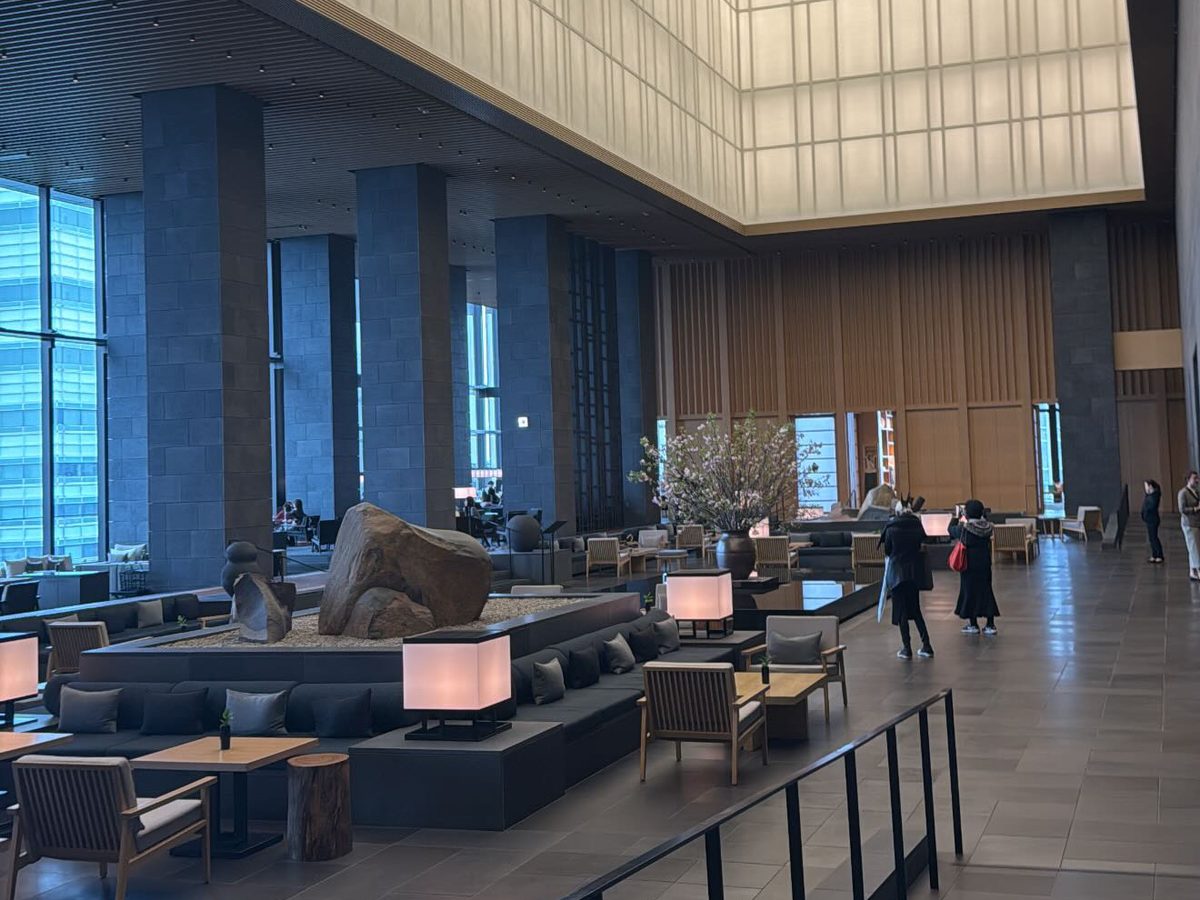
The lobby is enormous. I would call it grand rather than especially ornate, and I remember a café and pastry spot within that big arrival space. It has the scale of a hotel intended to be somewhere people gather, as well as somewhere they sleep.
The hotel's history helps explain that character. The Imperial opened in Hibiya in 1890. Its story includes several buildings, rather than one unchanged historic structure: Frank Lloyd Wright's building belongs to an earlier chapter, while the present main building opened in 1970. Knowing that distinction makes the architecture easier to understand when you arrive.
The hotel's account of the Wright building describes a property with extensive gathering spaces, from banquet and performance rooms to gardens and salons. Wright also designed furniture, tableware and decorative details. The hotel continues to present that history, but a stay in today's main building should not be confused with sleeping in the original Wright structure.
That background gives the Imperial a different kind of interest from choosing a hotel purely for the latest interiors. The building, dining traditions and role as a meeting place all contribute to what a visitor comes to see.
02Imperial Hotel Tokyo rooms
My April 5–6, 2025 reservation was for a Regular Floor Superior King. The room memory is straightforward: comfortable enough, no huge problem, and an older approach to luxury. I would not turn that into a promise of contemporary design or an upgrade that the booking does not establish.
The current Regular Floor Superior is listed at 32 square metres, with king or twin beds and capacity for one or two guests. The hotel publishes a floor plan, which is useful for assessing the amount of usable space before comparing it with larger rooms elsewhere in Tokyo.
The broader room collection distinguishes Regular and Imperial Floors, with junior suites at 54–64 square metres, 80-square-metre Deluxe Suites and separately identified park views. More space and a particular outlook are concrete changes; they do not mean that every category has the newest design language. That is the relevant comparison beside my comfortable but older-feeling room.
03The Imperial Hotel buffet
I had a really fun buffet meal here. I remember it as a brunch-like occasion, probably more of a lunch, rather than a precisely remembered service or a list of particular dishes. It was one of the experiences that made the hotel enjoyable for me.
For a visitor planning that kind of meal today, Imperial Viking Sal is the hotel's buffet restaurant on the 17th floor of the main building. The Imperial traces its buffet tradition to 1958, when its Scandinavian-inspired service helped establish “Viking” as a Japanese term for buffet dining. The meal format is part of the hotel's history, rather than merely a convenient breakfast arrangement.
The restaurant was renewed in 2023, adding Japanese and Chinese dishes to its French repertoire. The current presentation includes chefs carving roast beef, a make-your-own Peking duck element and dim sum. That variety is relevant when deciding whether the buffet suits a mixed group: it offers several culinary directions within the same meal.
The November 2026 lunch menu includes seasonal dishes such as mushrooms with chrysanthemum, venison braised in red wine and yellowtail with white beans, alongside roast beef, curry, dim sum and desserts. The regular menu page separates lunch from dinner and links the dated selections. Those changing menus are more useful for planning a new meal than assuming a remembered buffet will be repeated dish for dish.
04A lighter meal or time in the lounge
The buffet is only one way to eat at the Imperial. Parkside Diner is an all-day restaurant on the first floor of the main building, serving American and other Western dishes from breakfast through dinner. It offers a more straightforward option when you want an individual meal rather than a long buffet visit.
Parkside’s menu page includes vegan choices such as tomato curry and a soy-meat sandwich. It gives diners with different requirements a casual alternative to the buffet, rather than requiring the whole table to commit to one kind of hotel meal.
The Rendez-Vous Lounge occupies the first-floor lobby area and has 155 seats. Its published menu includes pastry sets, sandwiches, salads and drinks, so it can serve as a lighter stop or meeting place. That is a different proposition from reserving a full restaurant meal, and a useful way for someone staying elsewhere to spend time in the hotel's public spaces.
05Location: Hibiya, near Ginza
The Imperial is in Hibiya, near the Ginza and Marunouchi shopping and theatre districts. The official access guide lists a three-minute walk from Hibiya Station's A13 exit and about five minutes on foot from JR Yurakucho Station. Those connections give guests several rail options for exploring Tokyo. The same guide distinguishes airport routes and currently flags the Haneda airport-limousine-bus service as suspended, so an old airport-transfer description is not a reliable plan.
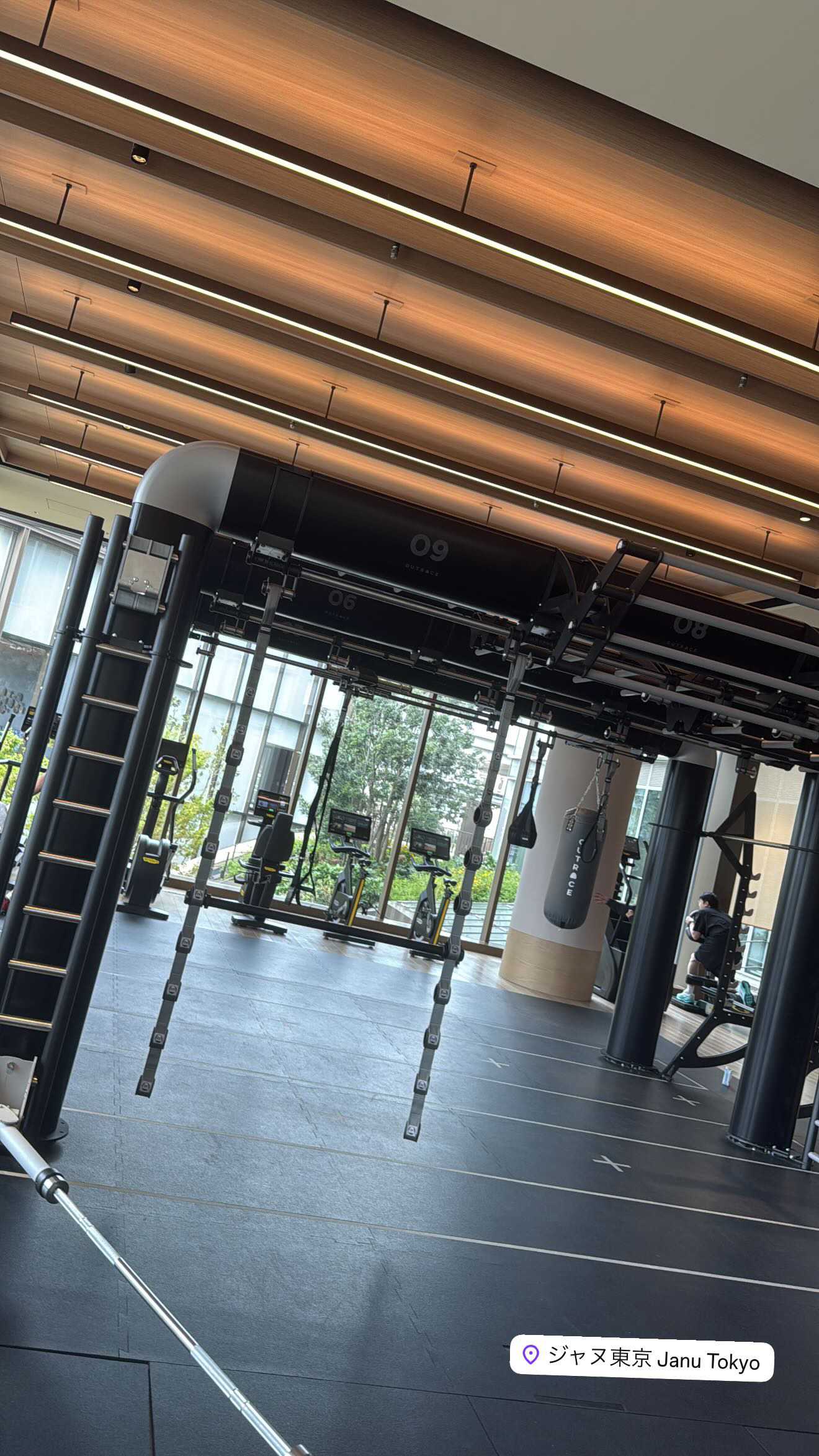
For exercise, the current facilities page lists a 24-hour guest gym on the main building's eighth floor and a 17.5-metre pool with saunas on the tower's twentieth floor. The gym has no changing or shower room, so guests are asked to change before arriving. These are reported facilities; my assessment of the stay centres on the room, lobby and dining.
The property is also part of a long-term redevelopment programme. Its revised 2026 schedule leaves the main and tower rebuilding periods undecided. For a future booking, use current hotel notices rather than older articles giving a fixed completion year.
My verdict remains positive. I liked the Imperial's grand scale and the enjoyable buffet, while recognising the room's older feel. It is a worthwhile choice for someone interested in that established Tokyo hotel experience, with expectations set accordingly.
Written from Robert's own stays. Details about today's rooms, dining and facilities link to the hotel's own pages and were checked in November 2026. They can change, so confirm them before booking.