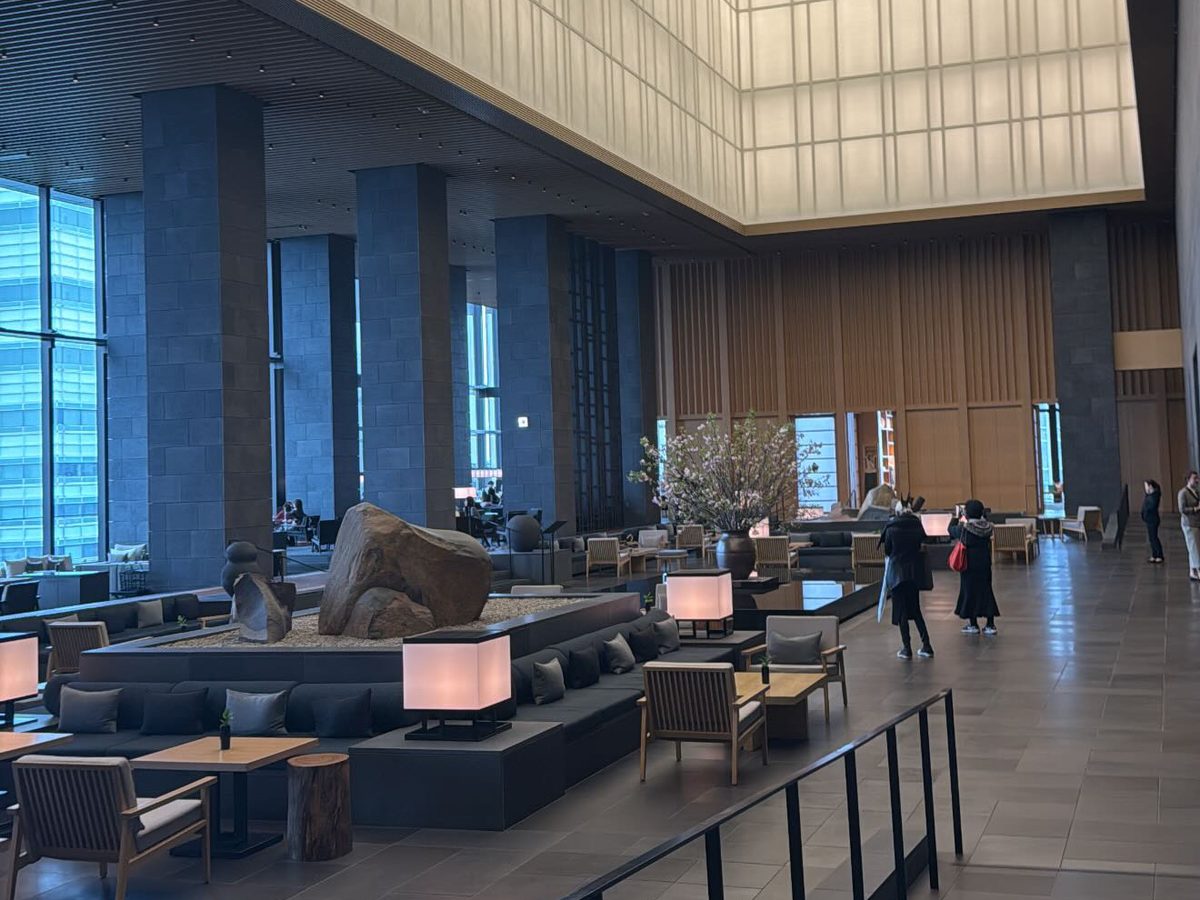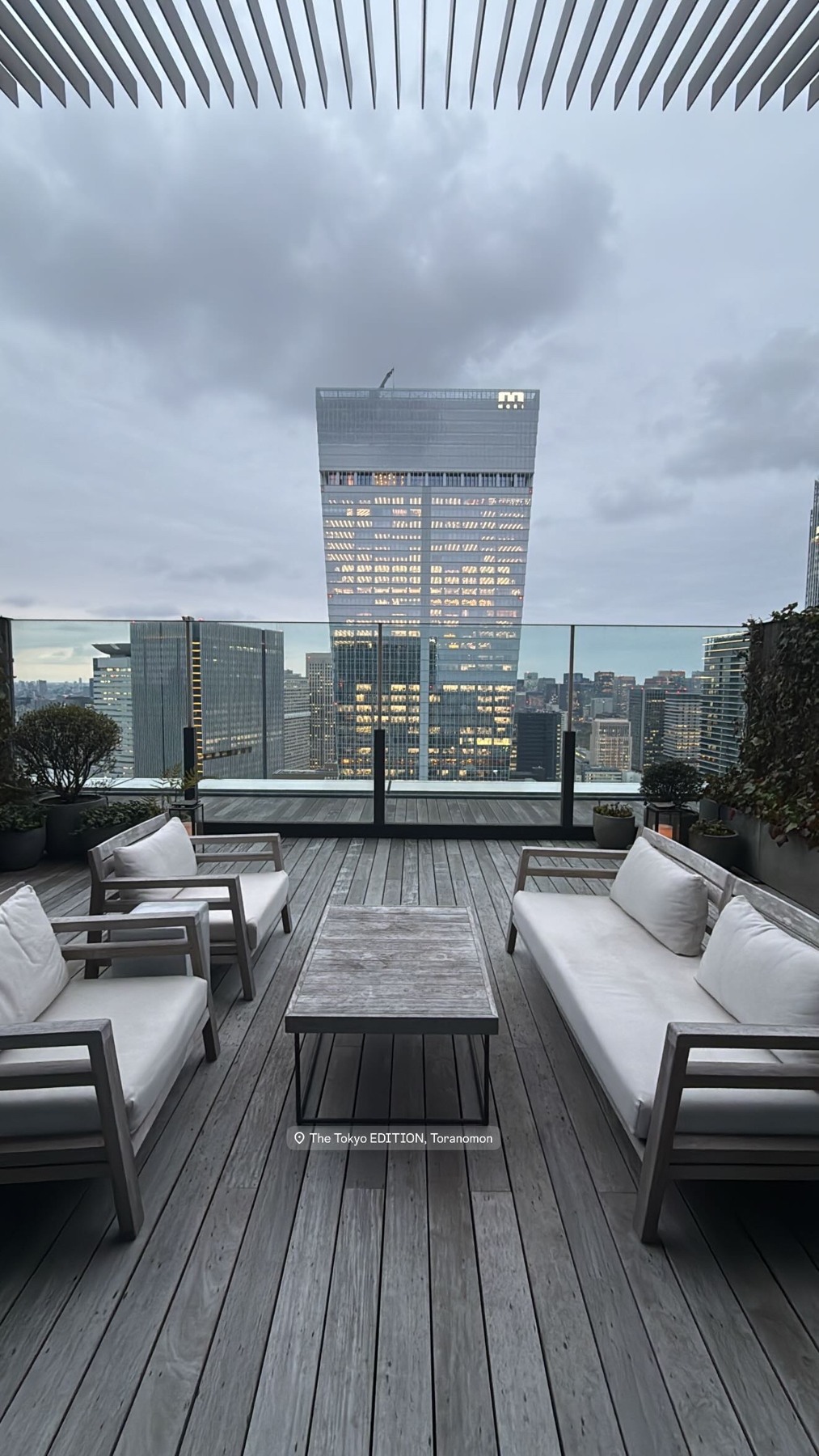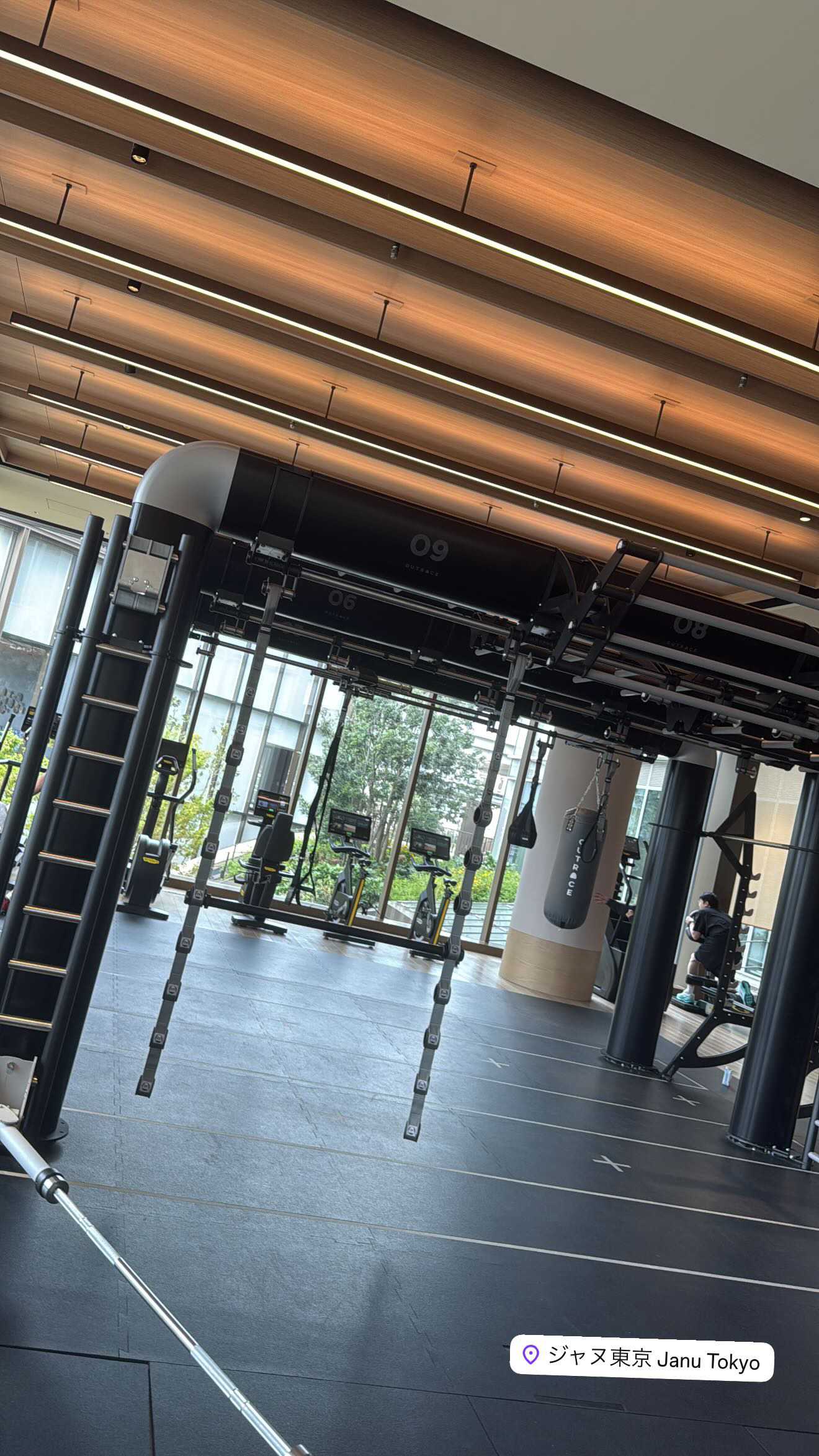
The gym is the first thing I would tell a friend about Janu Tokyo. It was huge, there were trainers around, and it had just about every machine I wanted. In a city with so many reasons to leave the hotel, Janu gave me a real reason to spend time inside it. The room had an unusual layout, the service felt Aman-level, and the little details were memorable. They even gave us a luggage tag that I thought was cool.
Amy would put breakfast near the top of the list, too. She especially liked the Japanese breakfast: very good, and different from the routine hotel breakfast. My recommendation is straightforward. If Janu fits your budget, it is a really good option. The atmosphere can feel quite formal, edging toward stuffy, but I did not leave with a major complaint.
01Janu Tokyo rooms
I remember ours as a junior suite. Walking in felt almost like entering through the bathroom, with the bathtub placed prominently in the layout. It was a distinctive arrangement, and the amenities and small finishing touches added to the impression of a hotel that had thought carefully about the room.
The 122-room hotel has interiors by Jean-Michel Gathy. The range runs from guest rooms to substantial suites, so the practical differences in living space, balconies and views matter more than choosing by a category name alone.
For someone choosing a room now, Janu's current accommodation collection has some useful distinctions beyond the names. The Deluxe Room starts at 55 square metres and includes a balcony; City and Premier rooms are larger, at 62 and 65 square metres. That makes the starting point worth considering before automatically moving up to a suite.
The suite names also deserve a closer look. A Deluxe Suite is listed at 75 square metres with a separate living room and balcony, while the Junior Suite is listed at 96 square metres. Size and layout do not follow a simple progression from “junior” to “deluxe.” Compare the floor plan, outdoor space and view. The 105-square-metre Tower View Suite, for example, adds a clearly specified Tokyo Tower outlook and a separate living room. Those are current booking choices; my own room memory is about its space and unusual bathroom arrangement.
02The Janu Tokyo gym and spa
This was a serious gym, and it became a focal point of the stay. Having trainers and a wide choice of equipment matters to me. A hotel can look beautiful and still leave you trying to improvise a workout around a few machines; that was not my impression here.
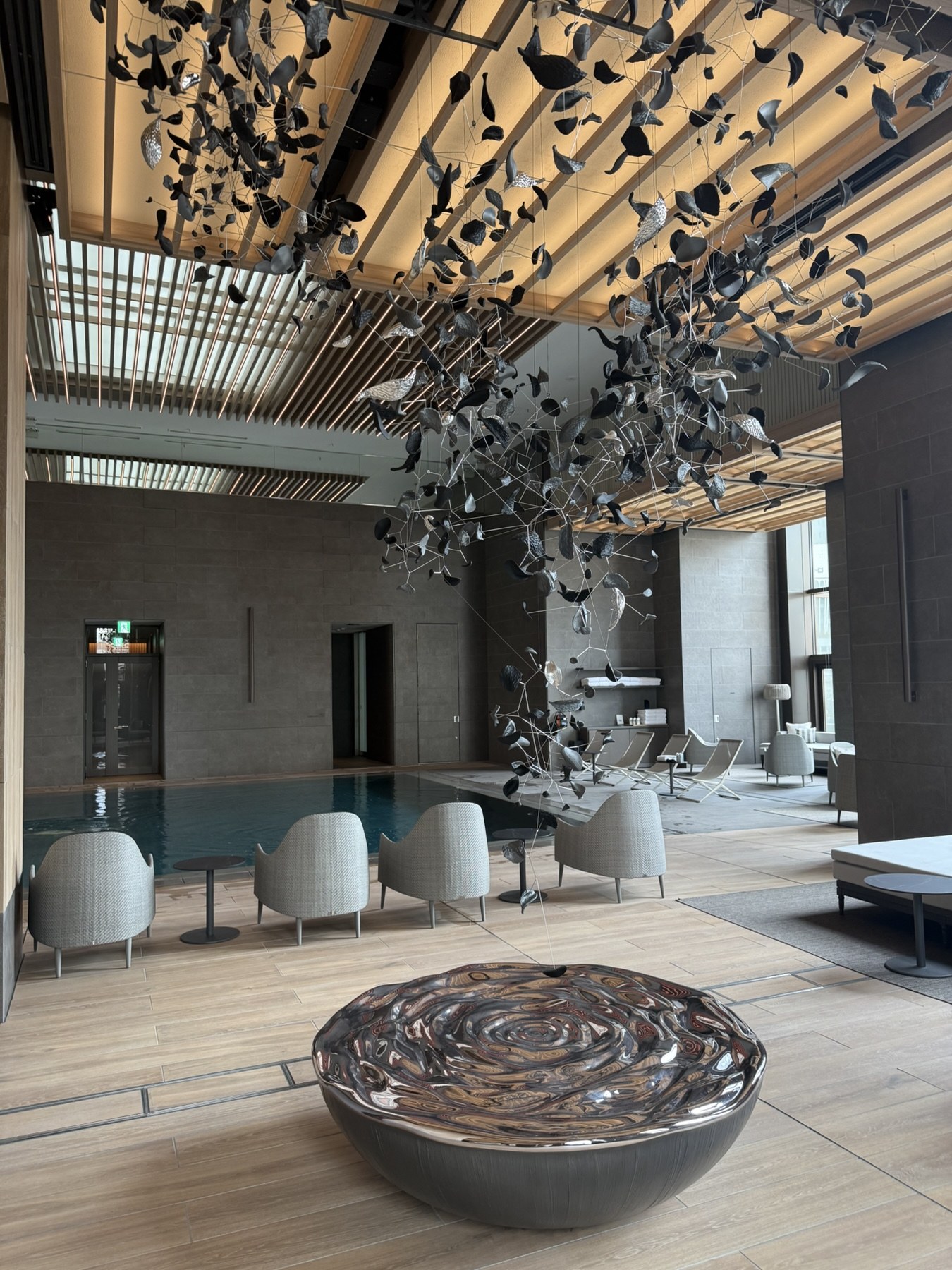
The gym sits within a 4,000-square-metre wellness complex. That figure covers the whole complex, including a 25-metre lap pool, a separate lounge pool, seven treatment rooms and two private Spa Houses. The training facilities include dedicated movement, spin and martial-arts studios, a personal-training studio and a golf simulator. It is a broader offering than the equipment floor alone.
The current programme includes aerial yoga and boxing, while the private Spa Houses offer longer banya and hammam experiences. Those choices suit different uses of a hotel day: an ordinary workout before going out, a scheduled class, or a substantial block of time devoted to the spa. Specific sessions and private spa experiences have their own arrangements, so the linked wellness menu is useful when building them into a stay.
For someone comparing hotels primarily on fitness, the separation of uses is important. A 25-metre lap pool supports sustained swimming; the lounge pool serves a different purpose. Dedicated studios let a class have its own setting instead of turning the main equipment floor into a temporary activity space. A couple can therefore want different things from the wellness complex without one person’s routine defining the other’s morning. My own praise comes from the gym, trainers and choice of machines. The reported wider layout explains why that serious approach extends beyond one impressive-looking exercise room, while specific classes and private sessions still need their own arrangements.
03Breakfast and restaurants at Janu
We ate in our room and had lunch at the hotel. I do not recall having dinner there. Amy's Japanese breakfast was a particular success, and it is the meal she would want included in this review.
The dining directory separates Italian Mercato, the Grill, sushi at Iigura, charcoal cooking at Sumi and Chinese Hu Jing, with lounge, bar and patisserie choices. That variety makes spending time at Janu easier without requiring every meal to follow the same format.
Janu Mercato combines three open kitchens with a courtyard-facing terrace. Its November 2026 menu includes sea-urchin-and-seaweed pasta and aubergine lasagne, illustrating both Japanese ingredients within Italian cooking and options beyond meat. Two-, three- and four-course lunches let a visitor decide whether lunch is a short interval or a longer part of the hotel day.
Janu Grill offers flame cooking and Tokyo Tower views, with booths, bar seating and private dining. The current dinner menu is useful for comparing Japanese beef cuts and seafood choices. Breakfast starts at 7 a.m. here versus 9 a.m. at Mercato. That is a practical current distinction; Amy’s praise belongs to the Japanese breakfast she actually remembers.
04Azabudai Hills around the hotel
Janu sits within Azabudai Hills, between the wider Roppongi and Toranomon areas. The neighbourhood combines towers with landscaped pedestrian routes, courtyards, shops, galleries and food outlets. It gives visitors several things to put together near the hotel: the market, the galleries and the Mori Building Digital Art Museum are different reasons to spend time in the district.
That is useful context for the type of stay Janu offers. You can plan around a substantial hotel gym and dining programme while still having an immediately surrounding district to explore. The hotel's polish continues into a contemporary development; travelers looking primarily for older streets and small neighbourhood establishments may want to spend more of their days elsewhere in Tokyo.
The district's official access page lists direct connections to Kamiyacho Station's Exit 5 on the Hibiya Line and Roppongi-itchome Station's Exit 4 on the Namboku Line. Those connections serve the development, rather than being a promise that your hotel room is moments from a platform. They are useful alternatives to treating every outing as a car journey.
05Would I recommend it?
Yes, if the rate works for you. The gym, the attentive service and the thoughtful room details made Janu a strong stay for me, and Amy's breakfast adds another clear positive. The formal atmosphere is the main taste consideration. I would choose it for someone who wants a substantial wellness offering as part of a comfortable Tokyo base, with enough restaurant choice to make time at the hotel enjoyable too.
Written from Robert's own stays. Details about today's rooms, dining and facilities link to the hotel's own pages and were checked in November 2026. They can change, so confirm them before booking.